Sleep is not a luxury for children—it is a biological necessity. Just as nutritious food and physical activity are essential for healthy development, adequate sleep plays a critical role in a child’s physical growth, brain development, emotional well-being, and academic success. Yet in today’s fast-paced and technology-driven world, sleep is increasingly becoming the first casualty of modern childhood.
Health experts generally recommend that school-age children get around 9–12 hours of sleep depending on their age, while teenagers need approximately 8–10 hours every night. However, many Indian children fall short of these recommendations. Academic pressure, excessive screen time, coaching classes, social media use, and irregular daily routines are contributing to a growing sleep deficit among young people.
Why Sleep Matters for the Brain
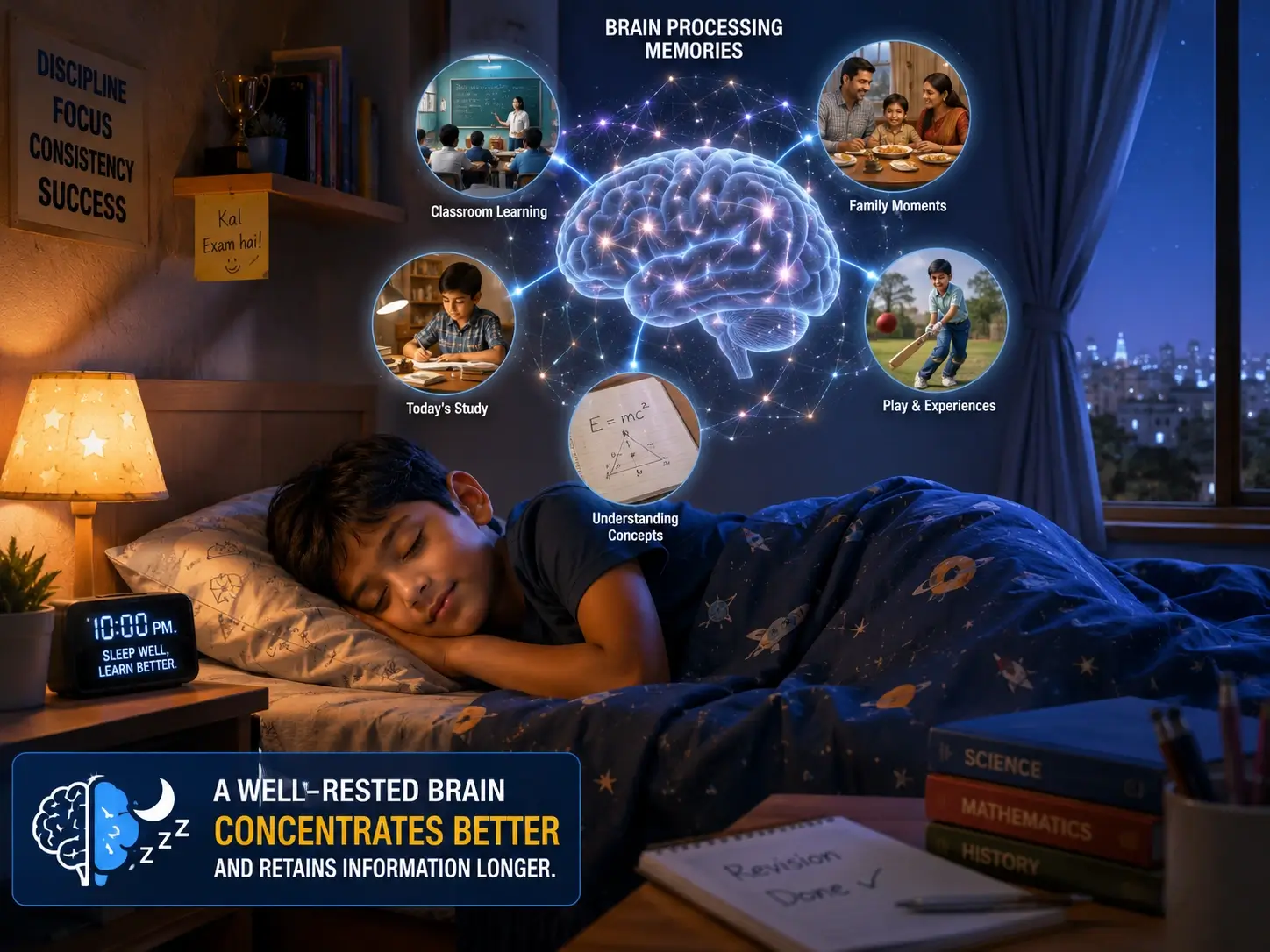
The importance of sleep becomes clearer when we understand what happens inside a child’s body during those quiet hours. While a child sleeps, the brain remains highly active. It processes information learned during the day, strengthens memory, organizes experiences, and prepares the brain for future learning. Sleep is essentially the brain’s way of filing and storing information.
This is one reason why children who get sufficient sleep often perform better academically. A well-rested brain can concentrate better, solve problems more effectively, and retain information longer. On the other hand, sleep-deprived children may struggle to focus in class, make careless mistakes, and find it difficult to remember what they have studied.
Many parents encourage children to stay awake late before examinations in order to revise more chapters. However, scientific evidence suggests that a good night’s sleep before an exam is often more beneficial than several extra hours of late-night studying. Without adequate sleep, the brain’s ability to absorb and recall information decreases significantly.
Sleep and Physical Growth
Sleep is equally important for physical growth. During deep sleep, the body releases growth hormone, which plays a crucial role in the development of bones, muscles, and tissues. This is especially important during childhood and adolescence, when the body is undergoing rapid growth and development.
Children who consistently get insufficient sleep may experience slower physical development and reduced energy levels. They often feel tired during the day, participate less in physical activities, and may find it harder to maintain overall health.
Sleep Supports Immunity
Another important but often overlooked benefit of sleep is its impact on immunity. Children are exposed to numerous viruses and infections in schools, playgrounds, and public places. Adequate sleep strengthens the immune system and helps the body fight illnesses more effectively.
Research has shown that sleep-deprived individuals are more susceptible to common infections and often take longer to recover from illness. In India, where seasonal illnesses such as flu, dengue, viral infections, and respiratory diseases affect millions of children every year, good sleep can serve as a simple yet powerful tool for maintaining health.

Sleep and Mental Health
The relationship between sleep and mental health is another area receiving increasing attention. Childhood today is not free from stress. Academic expectations, peer pressure, competitive examinations, social comparisons, and concerns about the future can create emotional strain even among young children.
Sleep helps regulate emotions and maintain psychological balance. A child who sleeps well is generally more patient, emotionally stable, and better equipped to handle challenges. In contrast, insufficient sleep is associated with irritability, mood swings, anxiety, frustration, and reduced emotional resilience.
Teachers often observe that children who have not slept adequately become restless, inattentive, and impulsive in the classroom. In some cases, chronic sleep deprivation may even mimic symptoms associated with attention difficulties, making it harder for children to succeed academically and socially.
Screen Time and Sleep Loss
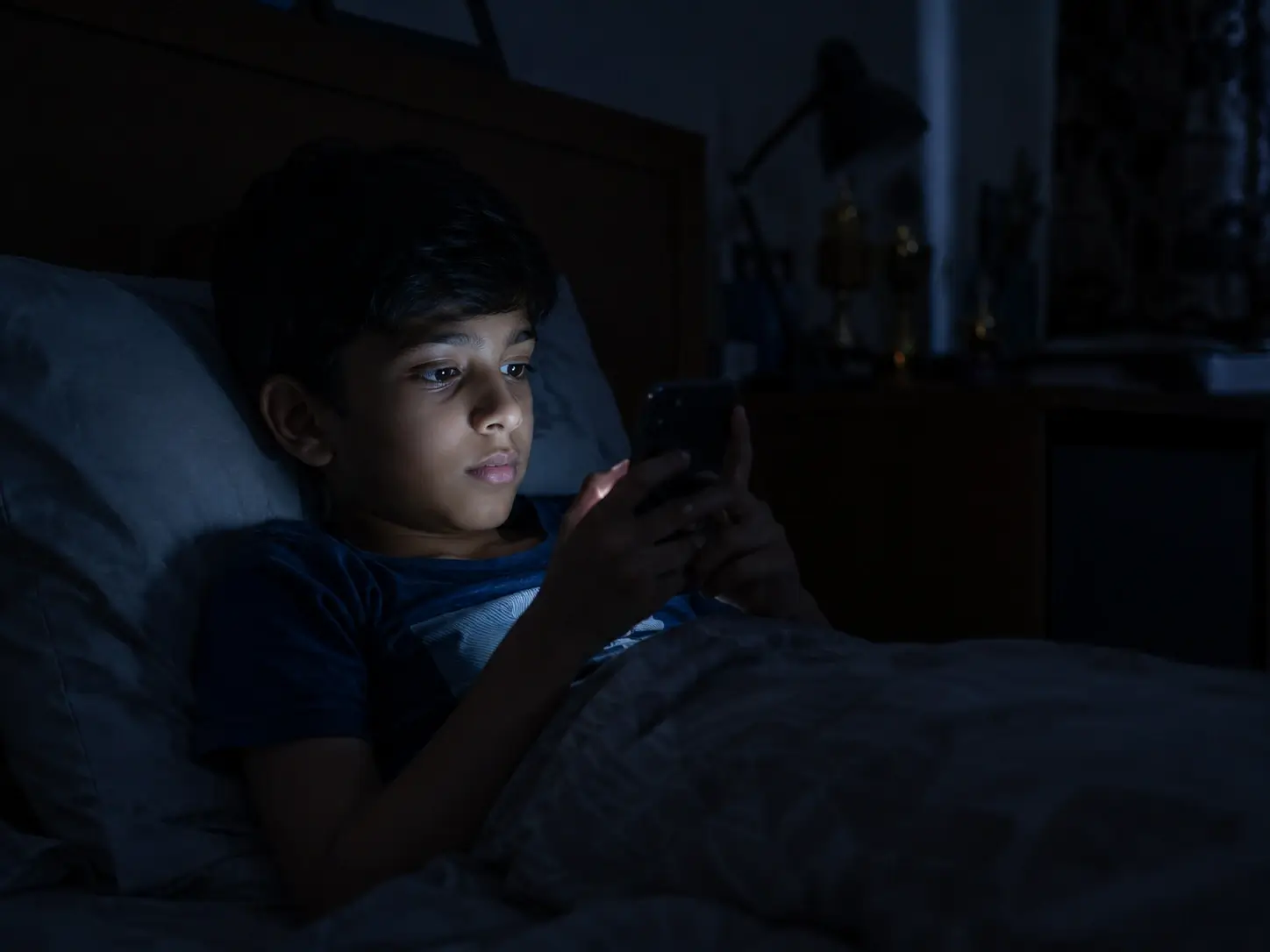
One of the biggest threats to children’s sleep today is excessive screen time. Smartphones, tablets, laptops, televisions, and gaming devices have become a regular part of children’s daily lives. Many children continue using screens until just before bedtime.
The problem is not only the time spent on devices but also the light they emit. Electronic screens produce blue light, which suppresses the production of melatonin—the hormone responsible for making us feel sleepy. As a result, children often find it difficult to fall asleep even after putting away their devices.
Furthermore, exciting videos, games, and social media interactions keep the brain stimulated when it should be preparing for rest. This combination of delayed sleep and reduced sleep quality can have significant consequences for a child’s health and development.
Academic Pressure and Busy Schedules
The Indian education system also presents unique challenges. Many students attend school during the day and coaching classes in the evening. Homework, tuition assignments, competitive exam preparation, and extracurricular activities often leave little time for rest. Older students preparing for board examinations or entrance tests frequently compromise on sleep in the belief that more study hours automatically lead to better results.
Unfortunately, this mindset may be counterproductive. Studies consistently show that sleep improves learning efficiency. A well-rested student can often achieve more in fewer hours than an exhausted student who studies late into the night.
Parents and Family Habits
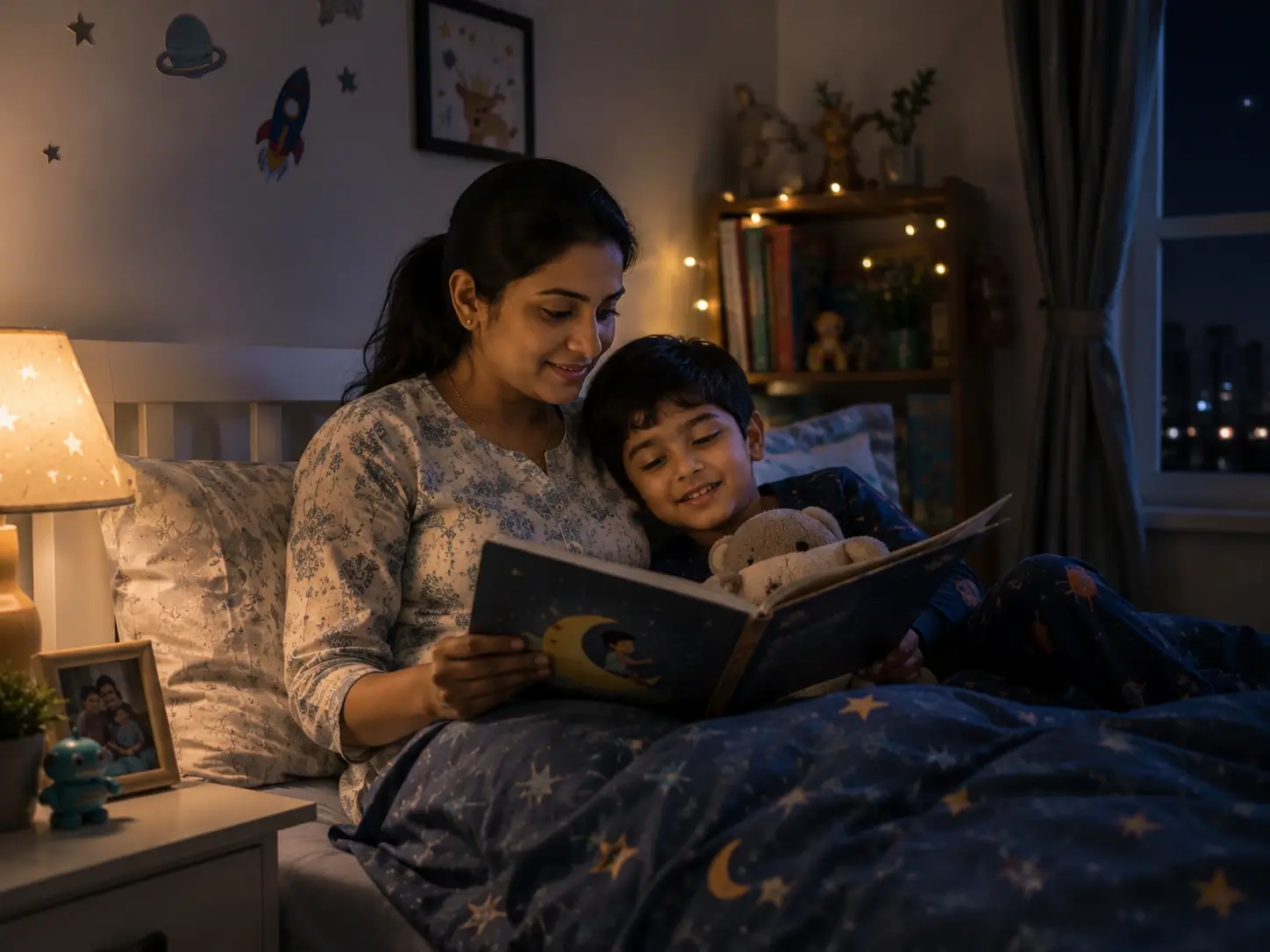
Parents play a crucial role in promoting healthy sleep habits. Establishing a consistent bedtime routine can make a significant difference. Children should ideally go to bed and wake up at the same time every day, including weekends. Creating a calm bedtime environment, limiting screen use at least one hour before sleep, and encouraging relaxing activities such as reading can improve sleep quality.
Family habits matter too. If parents regularly stay awake late watching television or using mobile phones, children are likely to imitate the same behaviour. Healthy sleep routines are most effective when practiced by the entire family.
Role of Schools
Schools can also contribute by raising awareness about the importance of sleep. Just as children are taught about nutrition and physical exercise, they should learn that sleep is an essential pillar of health. Understanding the science of sleep can encourage students to make healthier choices.
Building the Foundation of Growth
In a society that often celebrates busyness and productivity, sleep is sometimes misunderstood as unproductive time. In reality, sleep is one of the most important investments in a child’s future. It supports learning, strengthens immunity, promotes physical growth, protects mental health, and enhances overall well-being.