In daily family life and school environments, many adults unknowingly send mixed messages about truth and lies, even while teaching children to "always tell the truth." From small "white lies" told to avoid awkward situations to more serious dishonesty, children quietly observe and internalise what they see. This raises an important parenting question: What happens when adults lie to children? And equally important: Is it ever acceptable to lie to a child, even with good intentions? Understanding the impact of adult dishonesty on young minds is crucial for raising emotionally secure, honest, and morally grounded children.

Children Learn by Watching: Role Models & Child Moral Development
Psychologists emphasise that children are natural observers, and according to social learning ideas, they imitate behaviours they see in adults — especially those they trust and admire. A parent may tell their child, "Always tell the truth," but moments later answer a phone call with, "Tell them I'm not at home." Even if this seems like a harmless social lie, the child notices the contradiction between the rule and the behaviour.
Over time, such contradictions teach children that honesty is flexible and situational, and that lying can be acceptable if it helps avoid trouble or discomfort. This silent learning process is powerful in child moral development and character building. Children may not question the behaviour immediately, but it shapes their understanding of right and wrong, truth and convenience.
Key Point to Remember
Children copy what adults do, not just what they say — especially in situations involving honesty, promises, and everyday behaviour.
How Adult Lies Affect Children's Honesty, Trust & Emotional Security
When adults lie to children, the impact often goes deeper than a single incident. It influences how children understand morality, trust, and relationships across every stage of development.
Confusion About Moral Values
Young children are still building their basic moral framework. When they see trusted adults lying, it creates confusion — "If lying is wrong, why do adults do it? If adults can lie, why can't I?" Such contradictions make it difficult for children to understand consistent ethical boundaries and may weaken clear ideas of right and wrong.
Loss of Trust in Parents and Caregivers
Trust is the cornerstone of a healthy parent–child relationship. When children discover an adult has lied — especially about something important — it can damage that trust deeply. Many children remember being told an injection "won't hurt at all," only to find the experience painful. Repeated experiences like this make children sceptical about adult assurances and future explanations, affecting long-term trust.
Normalisation of Dishonesty in Everyday Life
If children regularly see adults using lies to manage situations — avoiding responsibilities, escaping embarrassment, or manipulating outcomes — they may start using the same strategies. They might lie about homework or school incidents because they have learned that lying is a practical tool that "works." In such cases, dishonesty becomes normal rather than discouraged.
Emotional Insecurity and Anxiety
Children depend on adults for stability and reliability. When they feel that information given to them is not trustworthy, it can create emotional insecurity. They may start questioning what is real and what is not — which affects their sense of safety and confidence in family life and relationships.
Key Points to Remember
Dishonesty from adults can confuse values and weaken moral clarity in children.
Broken promises and discovered lies reduce trust and emotional security between parent and child.
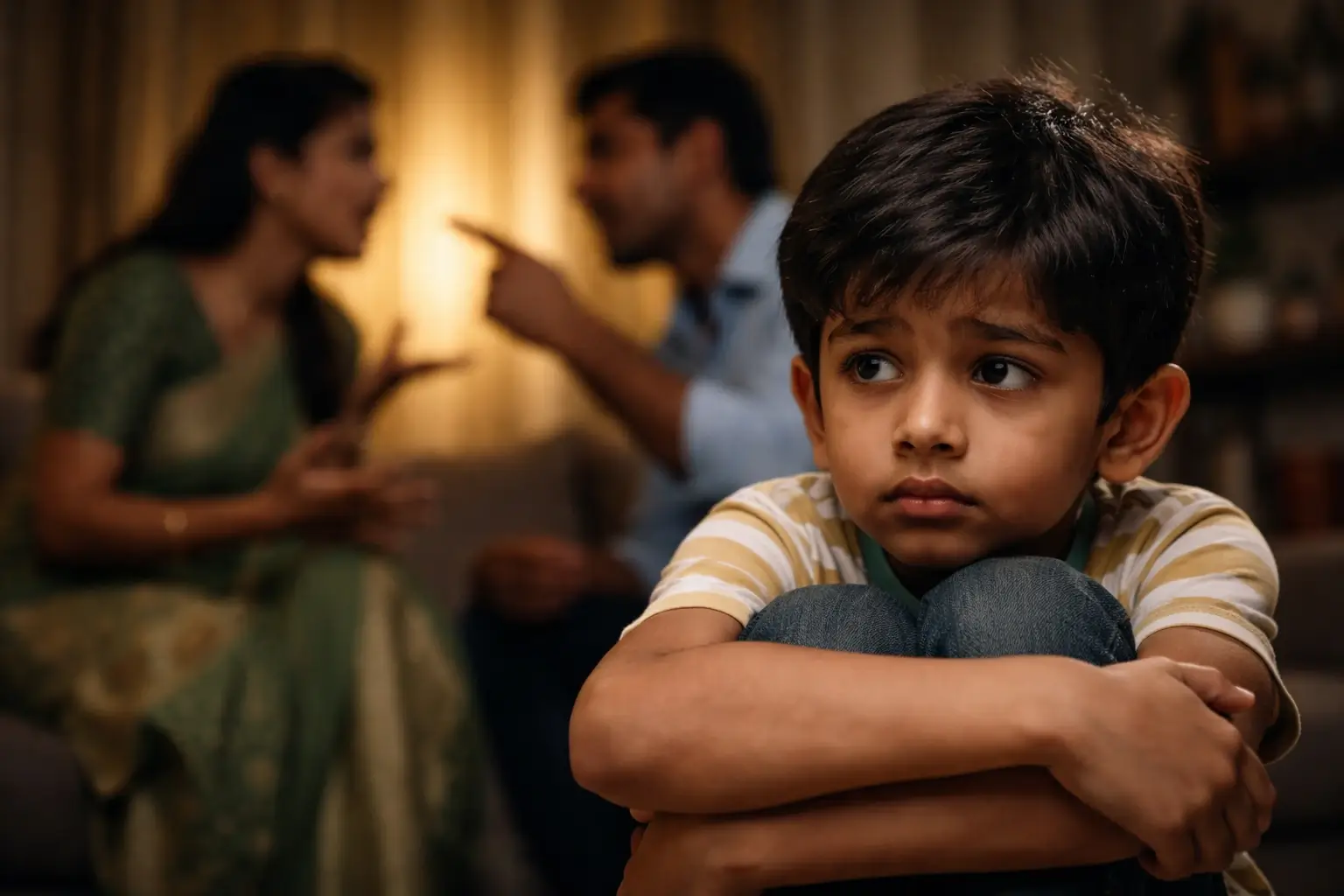
Common "White Lies" Adults Tell Children in Parenting
Many lies told to children are not malicious. Adults often use them with good intentions — to protect the child, simplify complex situations, or avoid uncomfortable conversations. While these statements may seem harmless in the moment, repeated exposure can still shape a child's perception of truth, safety, and how seriously they should take adult words.
Key Point to Remember
Even small, repeated white lies can affect how children judge honesty and promises over time.
Is It Ever Acceptable to Bend the Truth with Children?
Parents and educators often struggle with the question: Should adults always tell children the complete truth? In reality, absolute honesty in every situation may not be appropriate, especially when children are very young or when information may cause unnecessary fear. However, the key is age-appropriate honesty rather than outright lying.
❌ Instead of saying: "An injection won't hurt at all."
This approach maintains honesty while still offering reassurance and emotional safety. It teaches children that truth can be gentle and caring, not harsh or frightening — and that being honest does not mean being brutal or insensitive.
Key Point to Remember
Aim for truth with sensitivity, not complete avoidance or false comfort. Age-appropriate honesty is always the better path.
Protecting a Child's Emotional Well-being with Honest, Gentle Communication
Sometimes adults hide difficult truths to protect children from emotional distress. Illness, financial struggles, or family conflicts may require especially careful communication. In such situations, the goal should not be to lie, but to share information in a simplified and sensitive manner. Children do not need every detail, but they deserve explanations that are both truthful and comforting.
❌ Instead of fabricating stories about a sick family member...
This respects the child's need for honesty while protecting them from overwhelming details and fear.
Key Point to Remember
Give real but simple explanations instead of imaginary stories when dealing with sensitive topics.

Building a Culture of Honesty at Home and in the Classroom
Raising honest children begins with modelling honesty in everyday parenting and teaching. Small, consistent actions matter far more than occasional big speeches about values.
Admit Mistakes Openly
When you make a mistake or say something incorrect, acknowledge it openly. Saying, "I shouldn't have said that earlier. The truth is…" teaches children that honesty includes correcting oneself.
Encourage Truth Without Fear
Children are more likely to lie when they fear punishment. Create an environment where they feel safe telling the truth — focus on problem-solving instead of reacting harshly.
Avoid Fear-Based Lies
Using imaginary threats such as monsters, police, or punishment figures to control behaviour may work temporarily but creates long-term fear and distrust in children.
Model Everyday Integrity
Children notice small daily behaviours — admitting when something breaks, apologising sincerely, standing by the truth. These acts quietly reinforce the importance of honesty.
Key Points to Remember
Be honest enough to admit mistakes in front of children.
Replace fear and threats with calm, problem-solving conversations.
Long-Term Impact on Child Moral Development and Character
The way adults handle truth and lies in early childhood influences a child's moral development, relationships, and self-image well into adolescence and adulthood.

Key Points to Remember About Honesty & Children
Model behaviour: Children copy what adults do — not just what they say — especially in honesty and promises.
Trust matters: Discovered lies damage trust deeply and can make children sceptical of adult assurances for years.
White lies add up: Even small, repeated white lies shape how children perceive truth and promises.
Age-appropriate honesty: Truth with sensitivity is always better than outright lying, even for difficult topics.
Admit mistakes: When adults acknowledge their errors openly, they teach children that honesty includes self-correction.
No fear-based lies: Imaginary threats like monsters or police cause long-term anxiety and distrust, not discipline.
Long-term character: A childhood of honesty builds stronger ethics, trust in relationships, and personal accountability.
Safety to speak truth: Children tell the truth more when they feel safe — focus on solutions, not harsh punishment.
The Integrity a Child Sees Today Becomes the Character They Live Tomorrow
Parenting and teaching are filled with complex decisions, and honesty is not always a simple black-and-white issue. The aim is not brutal honesty, but truth delivered with empathy, maturity, and age-appropriate language. Children do not expect perfection from adults. What they need most is consistency, sincerity, and reliability. In the end, children may forget many of the words adults say — but they rarely forget the example adults set in daily life.
More Parenting Guides on SabKiShiksha →