Why Continuous Professional Growth Matters
For many years, teacher preparation in India focused mainly on pre-service qualifications such as B.Ed. or D.El.Ed. These programmes provide essential pedagogical grounding, but they cannot fully prepare teachers for the complexities of modern classrooms. Today’s classrooms are diverse, technology-driven, and increasingly focused on critical thinking and inclusive education. Without ongoing development, teaching can become static, disconnected, and less effective.
Continuous professional growth helps teachers stay relevant and responsive. It encourages them to reflect on their practice, try new methods, and adapt to changing educational needs. This growth can take many forms—workshops, online courses, peer collaboration, action research, or advanced academic study. More importantly, it builds curiosity and adaptability, qualities that matter in a world where knowledge keeps changing.

NEP 2020 and Continuous Professional Development
The National Education Policy (NEP) 2020 strongly emphasizes continuous professional development (CPD) for teachers. It recognizes that the quality of education is directly linked to the quality of teachers and places teachers at the centre of educational reform. One major recommendation is that every teacher should engage in at least 50 hours of CPD each year.
This is not just a procedural requirement. It is a strategic step to ensure that teachers remain effective, motivated, and empowered. NEP 2020 also supports multidisciplinary learning and holistic education.
Moving Beyond BoundariesTeachers must adopt more integrated, cross-disciplinary approaches.
Real-World ConnectionsCPD helps teachers connect classroom theory with practical, real-world applications.
Teaching Excellence in a Technology-Driven Classroom
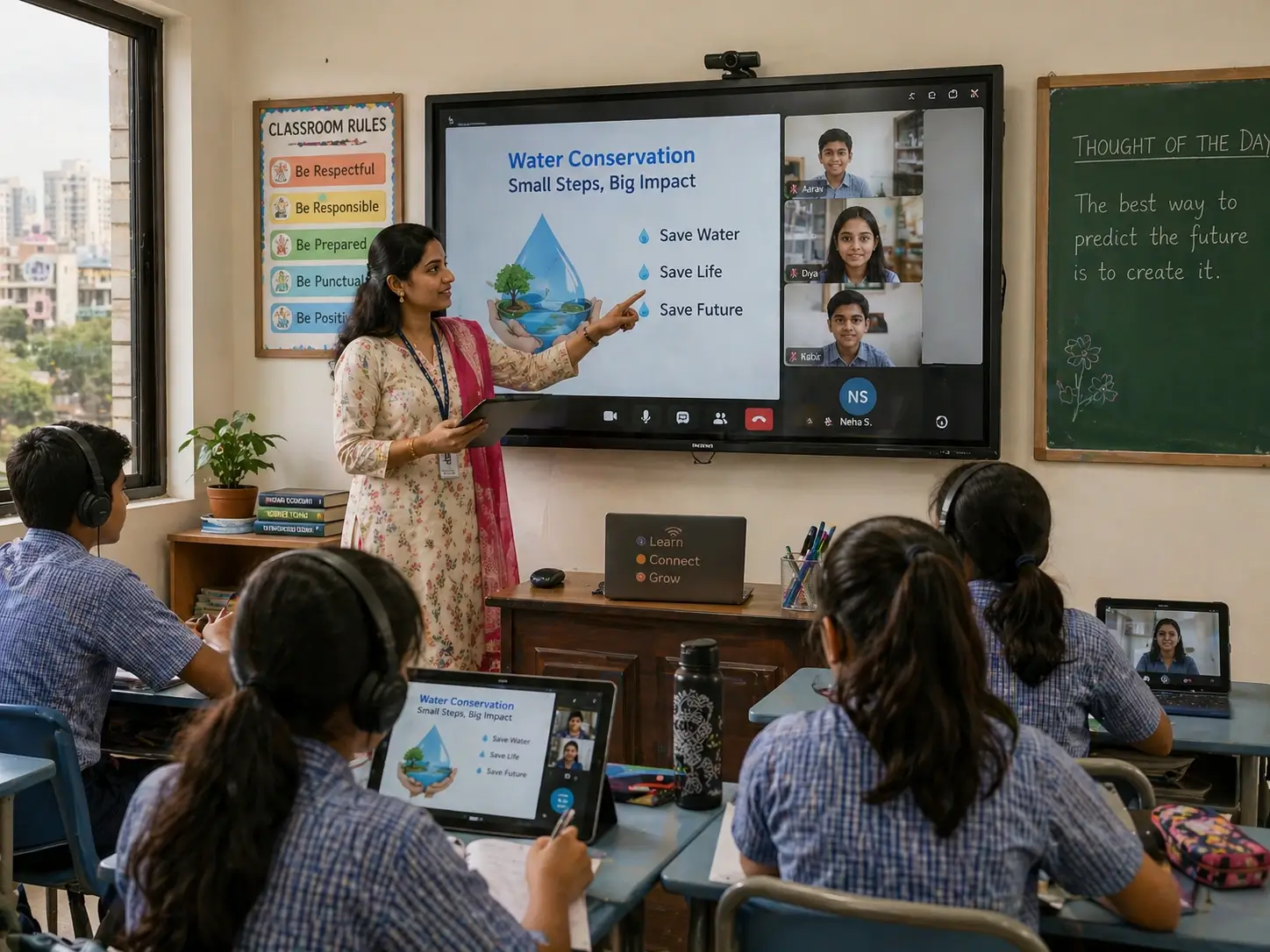
Another important area where teacher growth matters is technology integration in education. The digital shift has made digital literacy essential for teachers. Continuous professional development helps educators become confident users of technology—not only for instruction, but also for collaboration, creativity, and personalized learning.
From interactive platforms to blended learning experiences, digitally empowered teachers can improve student engagement and learning outcomes. In modern education, teacher digital literacy is now closely tied to classroom effectiveness.
Lifelong Learning and Teacher Mindset
The importance of lifelong learning for teachers has been highlighted by many respected education thinkers. John Dewey believed education is a continuous process of growth, not preparation for future life. Paulo Freire encouraged a model where teachers and students learn together through dialogue and reflection. In India, Dr. Sarvepalli Radhakrishnan emphasized that teachers should be intellectually vibrant and morally grounded individuals.
Continuous professional growth is the pathway to this vision. A teacher who keeps learning becomes more reflective, more flexible, and more effective in the classroom.
Inclusive Education and Professional Development
Ongoing professional growth also supports inclusive education. Indian classrooms are increasingly diverse, with students from different socio-economic backgrounds, languages, and learning abilities. Teachers need special training to respond to these differences effectively.
Differentiated Instruction
Tailoring teaching methods to meet varied learning paces and styles.
Classroom Management
Creating a safe, organized, and respectful environment for all.
Socio-Emotional Learning
Supporting the emotional well-being and social skills of students.
These skills ensure that every child feels valued and supported. Inclusive education is not possible without teachers who are prepared to meet varied student needs.

Challenges in Teacher Professional Growth
Despite its importance, the journey of continuous professional growth is not free from challenges. Many teachers face:
- Limited access to quality programmes
- Lack of institutional support
- Time pressures
- Insufficient recognition of their efforts
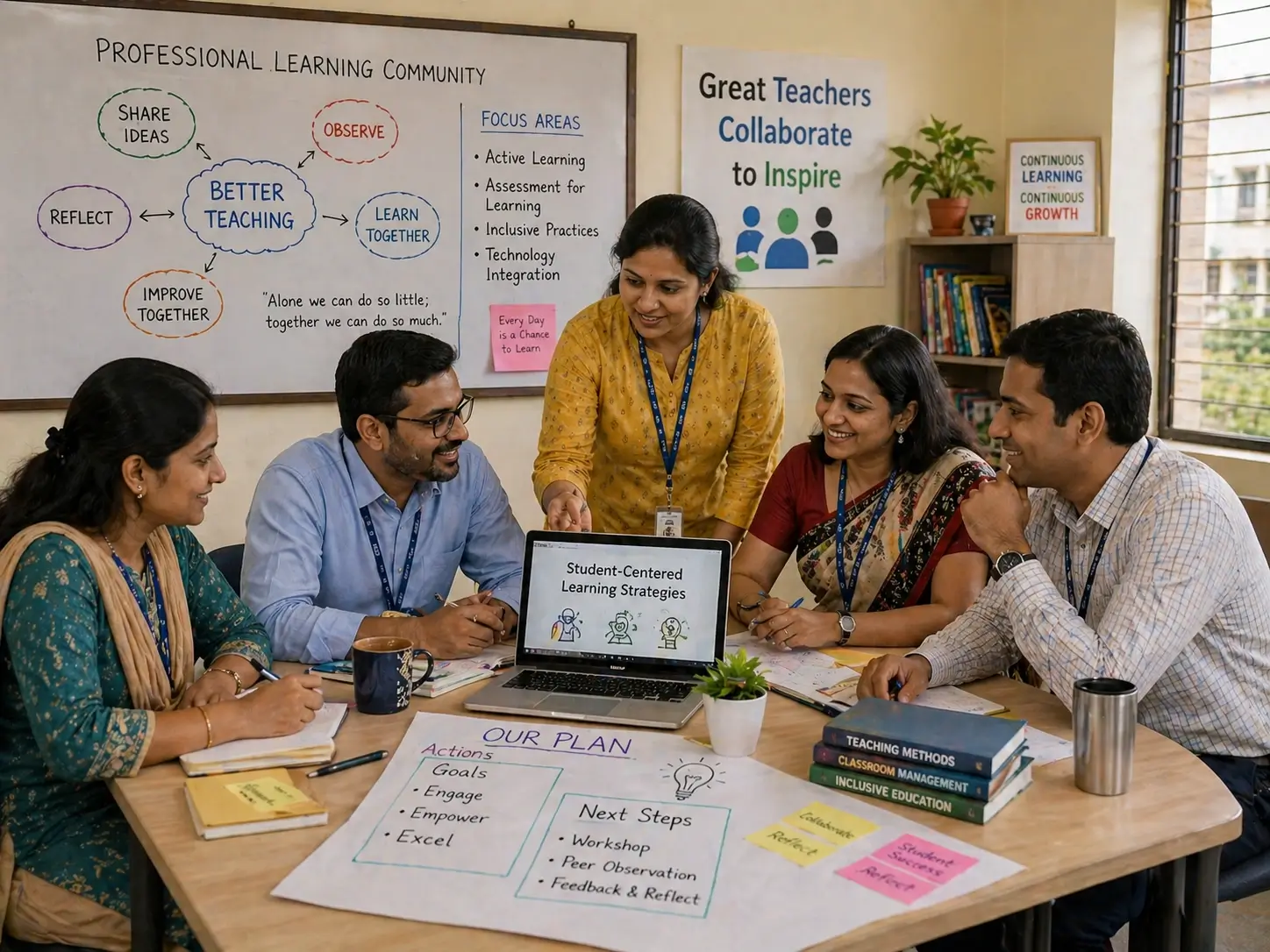
In some cases, professional development is treated as a formality rather than a meaningful learning experience. To overcome these barriers, a systemic shift is needed. Schools and educational institutions must build a culture that values teacher development. Professional learning should become part of school life through collaborative planning, mentoring systems, and reflective practice.
Motivating Teachers for Ongoing Development
Incentives such as career progression, certifications, and public recognition can encourage teachers to invest in their own growth. Equally important is changing perceptions. Continuous professional growth should not be seen as an added burden. It should be seen as an opportunity for empowerment.
When teachers feel supported and inspired to learn, they bring renewed energy and creativity into their classrooms. This leads to better student engagement, stronger learning outcomes, and a more dynamic educational environment.
Teaching Excellence Through Growth
Teaching excellence today cannot be achieved through initial qualifications alone. It requires a sustained commitment to growth, reflection, and innovation. Continuous professional development, as envisioned by NEP 2020, is not just a policy directive—it is a necessity for building a strong, future-ready education system in India.
By investing in teacher development, we invest in the future of children and the nation as a whole. True excellence in teaching lies not in what educators know today, but in their willingness to keep learning for tomorrow.