Understanding Self-Motivation and Intrinsic Motivation
Self-motivation stems from intrinsic motivation, where a child engages in an activity out of genuine interest or personal satisfaction rather than reward or fear of punishment. When children are internally driven, they take ownership of their learning, show curiosity, and keep going even when tasks are difficult.
Modern parenting, however, often leans heavily on extrinsic motivators—marks, prizes, gifts, or constant praise. Overuse of these can reduce a child’s natural curiosity and make them dependent on outside validation. Rewards are not always harmful, but they should never overshadow the joy of learning itself.

Create a Safe and Supportive Environment
Children thrive where they feel emotionally secure and accepted. A home or classroom naturally builds motivation and confidence when it:
Encourages open communicationEnsuring the child feels heard without fear of harsh judgment.
Values effort over perfectionFocusing on the journey of hard work rather than just flawless results.
Treats mistakes as learning opportunitiesReplacing sharp criticism with constructive feedback.
When children know they will not be harshly judged for failure, they are more likely to take risks, try new ideas, and persist despite setbacks. Instead of “This is wrong,” try “Let’s see how we can improve this.”
Encourage Curiosity, Not Just Achievement
A child’s natural curiosity is the foundation of intrinsic motivation. Encourage questions—even when they are frequent or inconvenient—and resist the urge to answer everything immediately. Guide children to discover solutions themselves; this builds critical thinking and a sense of ownership.
Connect learning to real life. If a child is learning about plants, visit a garden; if they are interested in space, show documentaries or build simple models. When knowledge connects to the real world, learning becomes meaningful and self-driven.

Set Realistic Goals and Celebrate Effort
Children can feel overwhelmed when expectations are too high or unclear. Help them set small, realistic goals and clear steps for larger tasks. This gives them a sense of progress and control.
Just as important is how success is celebrated. Focus on effort, strategy, and persistence rather than only outcomes. Statements like “I’m proud of how hard you worked” reinforce the value of effort, while “You’re so smart” can create pressure to always appear perfect.
Give Children Autonomy with Guidance
Children are more motivated when they feel a sense of control over their choices. Offer age-appropriate autonomy. Autonomy does not mean lack of guidance; it means structured freedom. For example: “You can study before dinner or after—what works best for you?” This builds responsibility and decision-making skills.
Reading Choices
Allowing them to choose which book they read.
Time Planning
Planning their study slot within a provided time window.
Activities
Selecting their own extracurricular interests to pursue.
Model Self-Motivation and Limit External Rewards
Children learn more from what they see than what they are told. If they regularly see adults setting personal goals, managing time, and persisting through difficulty, they are likely to imitate those behaviors. Share your own experiences—how you handle challenges or learn something new. Motivation is about consistency and growth, not perfection.
Simultaneously, limit over-reliance on rewards and punishments. Fear-based discipline can reduce initiative and creativity. Shift focus to internal satisfaction by asking reflective questions like: “How did you feel after finishing this?” or “What did you enjoy most about this activity?” This gently guides children to notice their own pride and interest.
Teach Time Management, Discipline, and Accountability
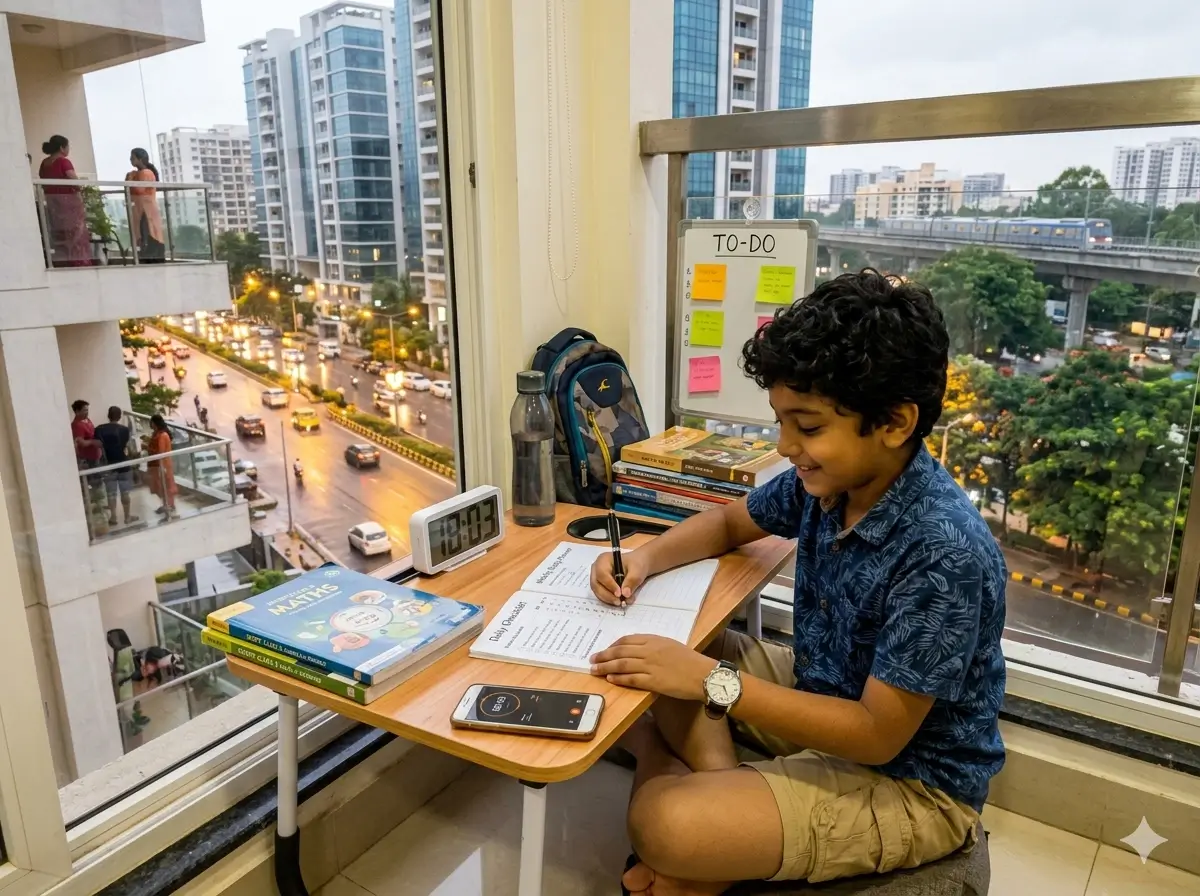
Self-motivation is closely tied to basic discipline. Teach children to manage time using simple planners, visual schedules, and clear priorities.
Avoid constant reminders and micromanaging. Gradually transfer responsibility. If a child forgets homework, allow them to experience natural consequences instead of always rescuing them. This builds accountability and self-management.
Encourage a Growth Mindset & Balance Structure
Children who believe abilities can be developed through effort are more likely to stay motivated. Teach them that intelligence and talent are not fixed and that challenges are opportunities to grow. Use language such as: “You haven’t mastered this yet,” “Mistakes help us learn,” and “Practice helps you improve.” This reduces fear of failure.
Combine this with a balance of structure and flexibility. Too much structure can feel controlling; too much freedom can feel confusing. Set clear expectations (like a daily study time), but allow flexibility in how children meet them—reading, drawing diagrams, or creative methods.
Reduce Digital Distractions and Build Focus
In today’s digital world, constant notifications and entertainment are major barriers to self-motivation. Set reasonable screen-time limits and create distraction-free study spaces.
Encourage activities that demand sustained attention—reading, puzzles, building, art, or music. These boost focus and give a sense of accomplishment.
Build Emotional Resilience
Motivation naturally dips when children face difficulties. Teach them how to handle frustration, disappointment, and failure. Encourage honest conversations about their feelings and guide them to think in terms of “What can I try next?” rather than “I can’t do this.”
Resilient children see setbacks as temporary and effort as meaningful. This keeps their inner drive alive even in tough times.

Raising Self‑Motivated Kids in a Distracted World
Raising self-motivated children is not about strict control or constant pressure. It is about creating an environment where curiosity is encouraged, effort is valued, independence is nurtured, and emotional safety is assured. Every child has the potential to be self-motivated when parents shift from controlling behavior to guiding growth.