NEP 2020 vs Old System: What Parents Must Know in 2026
Is the 10+2 system officially gone? Discover the key differences, upcoming CBSE Board Exam 2026 changes, and the new 5+3+3+4 structure explained.
As we step further into 2026, the National Education Policy (NEP) 2020 is no longer a future plan—it is the active framework governing your child’s classroom. With the traditional 10+2 system officially being phased out and replaced by the modern 5+3+3+4 structure, parents are asking urgent questions: How will this affect the CBSE Board Exams 2026? Is the Science-Commerce-Arts stream system really gone?
If you are navigating school admissions or board preparations this year, this guide compares NEP 2020 vs. the Old System to help you understand the massive shift in Indian education.
The Core Shift: 10+2 vs. 5+3+3+4 Structure Explained
The most searched query for parents in 2026 remains: "What is the difference between the 10+2 and 5+3+3+4 system?"
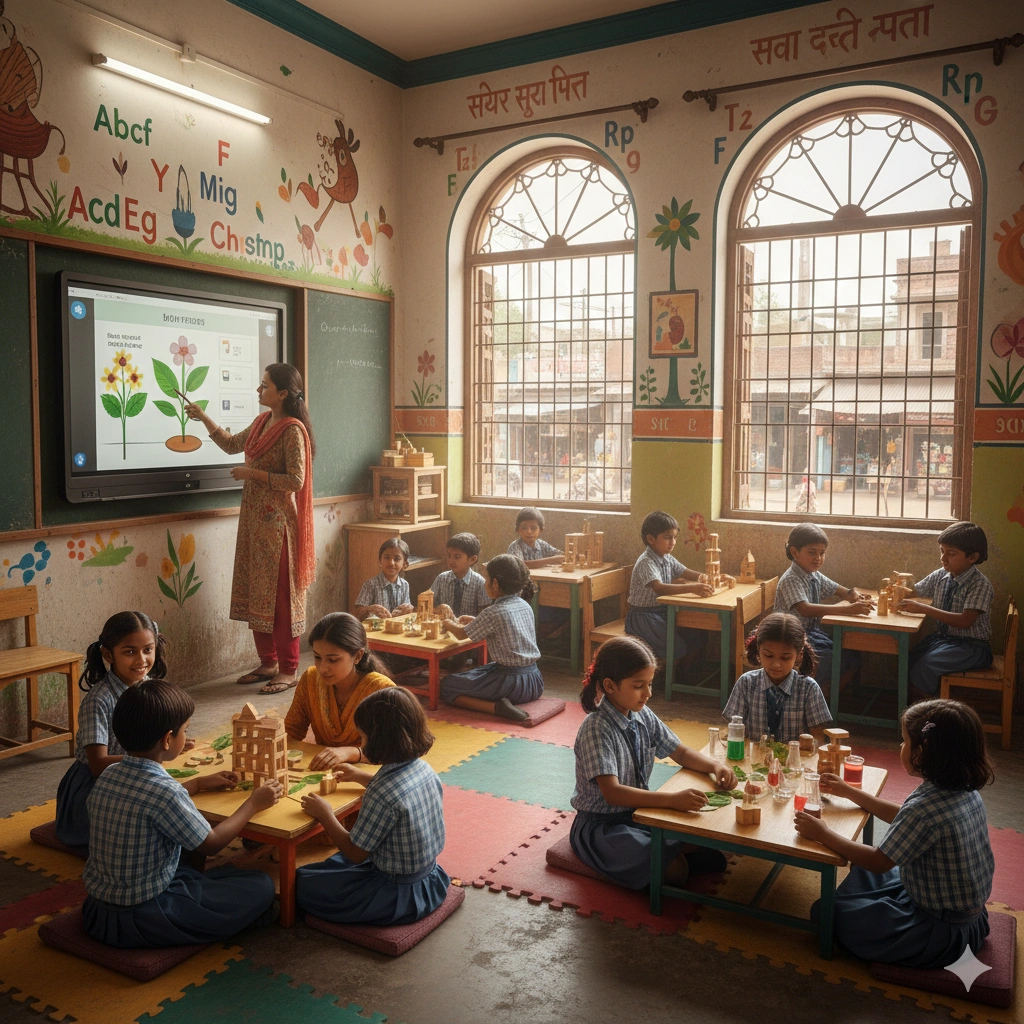
Under the old system, formal schooling began at age 6 (Class 1), often ignoring the crucial developmental years of 3-6. The NEP 2020 structure fixes this by bringing preschools into the formal education net.
| Feature | Old System (10+2) | NEP 2020 System (5+3+3+4) |
|---|---|---|
| School Structure | 10 Years (Class 1-10) + 2 Years (Class 11-12) | Foundational (5) + Preparatory (3) + Middle (3) + Secondary (4) |
| Entry Age | Age 6 (Class 1) | Age 3 (Preschool/Anganwadi) |
| Primary Focus | Rote Learning & Annual Exams | Competency-Based Learning & Critical Thinking |
| Board Exams | High-stakes Class 10 & 12 Exams (Memory-based) | Low-stakes, Modular Exams (Testing Core Concepts) |
| Report Cards | Marks & Grades only | 360-degree Holistic Progress Card (HPC) |
The 4 Stages of the New 5+3+3+4 System
Foundational Stage (5 Years)
For ages 3-8. Focuses on play-based learning and Foundational Literacy and Numeracy (FLN). No rigid exams.
Preparatory Stage (3 Years)
For ages 8-11 (Class 3-5). Introduction to formal subjects like science and math through activity-based learning.
Middle Stage (3 Years)
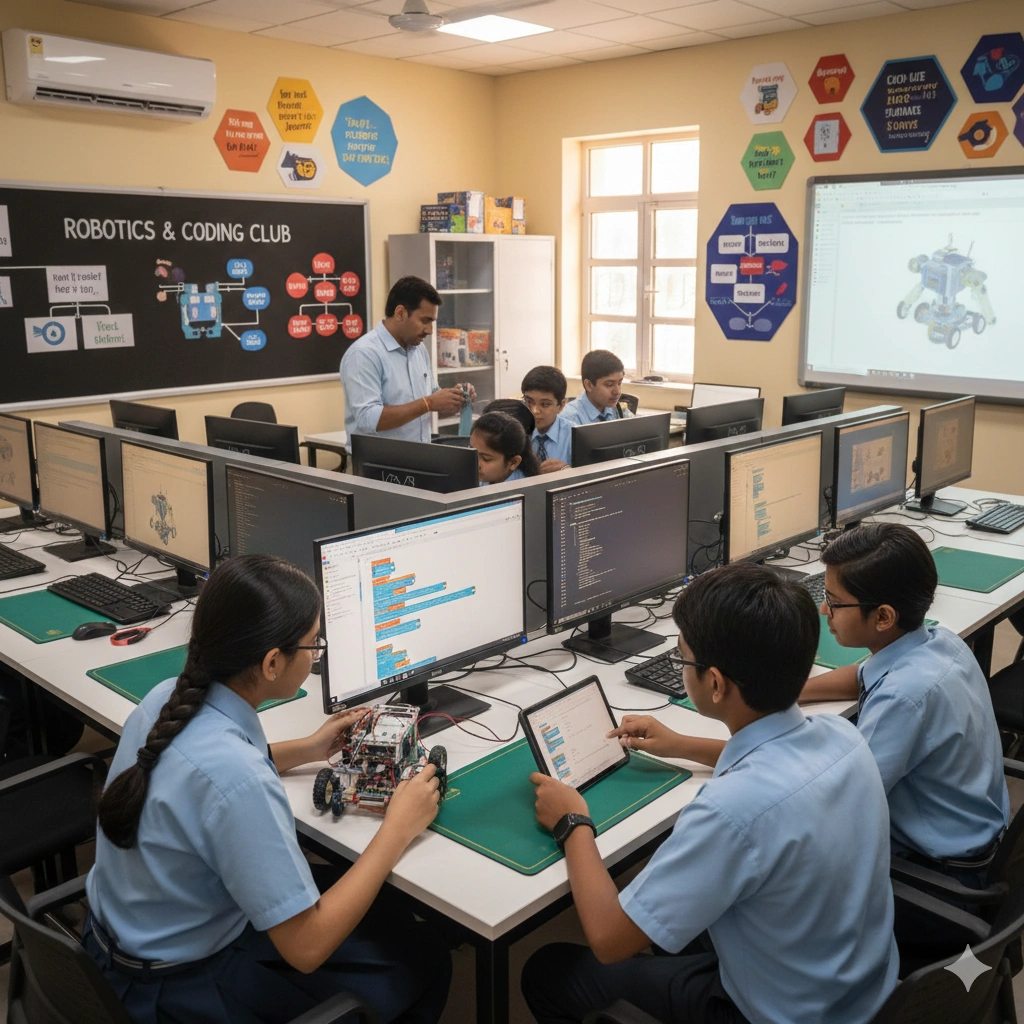
For ages 11-14 (Class 6-8). Introduction to vocational skills, coding, and abstract concepts.
Secondary Stage (4 Years)
For ages 14-18 (Class 9-12). Multidisciplinary study with no rigid streams. Greater critical thinking and flexibility.
CBSE Board Exam 2026: Major Changes You Can't Ignore
For parents of teenagers, the CBSE Board Exam 2026 pattern is the biggest concern. The NEP has mandated a shift away from rote memorization.
Competency-Based Questions (CBQs)
In 2026, expect nearly 50% of the question paper to be competency-based. These are case studies, reasoning-based, and source-based questions that test understanding, not memory.
Two Board Exams a Year
As per the New Curriculum Framework (NCF), students now have the option to take board exams twice. This reduces the "do or die" pressure of a single exam day, allowing students to retain their best score.
PARAKH Assessment
A new national assessment center, PARAKH, is setting standards to ensure marks are consistent across different state boards and CBSE, making college admissions fairer nationwide.
The End of Rigid Streams: Science vs. Commerce is History
One of the most popular features of NEP 2020 for students is the removal of rigid streams.
Multidisciplinary Subject Choice
In the old system, a student choosing the Science stream could not study History. In 2026, multidisciplinary education allows students to mix and match. A student can now pursue Physics with Music, or Accountancy with Political Science. This flexibility is designed to create well-rounded individuals suited for modern job markets that value diverse skill sets.
Vocational Education: Coding & Skills from Class 6
Under the old system, "vocational training" was often seen as a backup for weaker students. NEP 2020 changes this mindset completely.
Starting from Class 6, schools are now mandating:
-
Coding and Computational Thinking: Preparing kids for the AI-driven economy.
-
Internships (Bagless Days): Students participate in 10-day bagless periods to intern with local carpenters, artists, or potters, promoting dignity of labor.
-
Skill Subjects: Introduction to Financial Literacy, AI, and Design Thinking early on.
Parent’s Guide: How to Adapt in 2026?
The system has changed, and so must your approach to parenting an academic child:
Stop Obsessing Over Rote Marks
The Holistic Progress Card will evaluate your child on self-assessment, peer assessment, and teacher assessment—not just a final number.
Encourage Diverse Subjects
If your child wants to mix Biology with Psychology, support it. The new job market values unique subject combinations.
Focus on Concepts
With CBSE 2026 moving to competency-based questions, "mugging up" textbooks will no longer yield high scores. Encouraging analytical thinking is the only way forward.
Final Verdict
The NEP 2020 vs Old System debate is settled. The old 10+2 rote-learning model is obsolete. As we move through 2026, the new system offers a more flexible, stress-free, and skill-oriented future for your child.
Adapt to these changes early, speak to your school counselors, and prepare your child not just to pass exams, but to thrive in a competency-based world.