Letting Children Make Decisions: Why Learning from Mistakes Builds Confidence and Independence

Introduction: The Balance Between Protection and Independence
Parenting today presents a critical tension: protecting children while fostering independence. While the instinct to shield children from failure is natural, research reveals that overprotection limits self-confidence, decision-making skills, and emotional resilience. Children who are allowed to make choices—and importantly, to make mistakes—develop the self-reliance and critical thinking necessary to navigate life successfully.
The question parents face is not whether to let go, but how to guide wisely while stepping back.
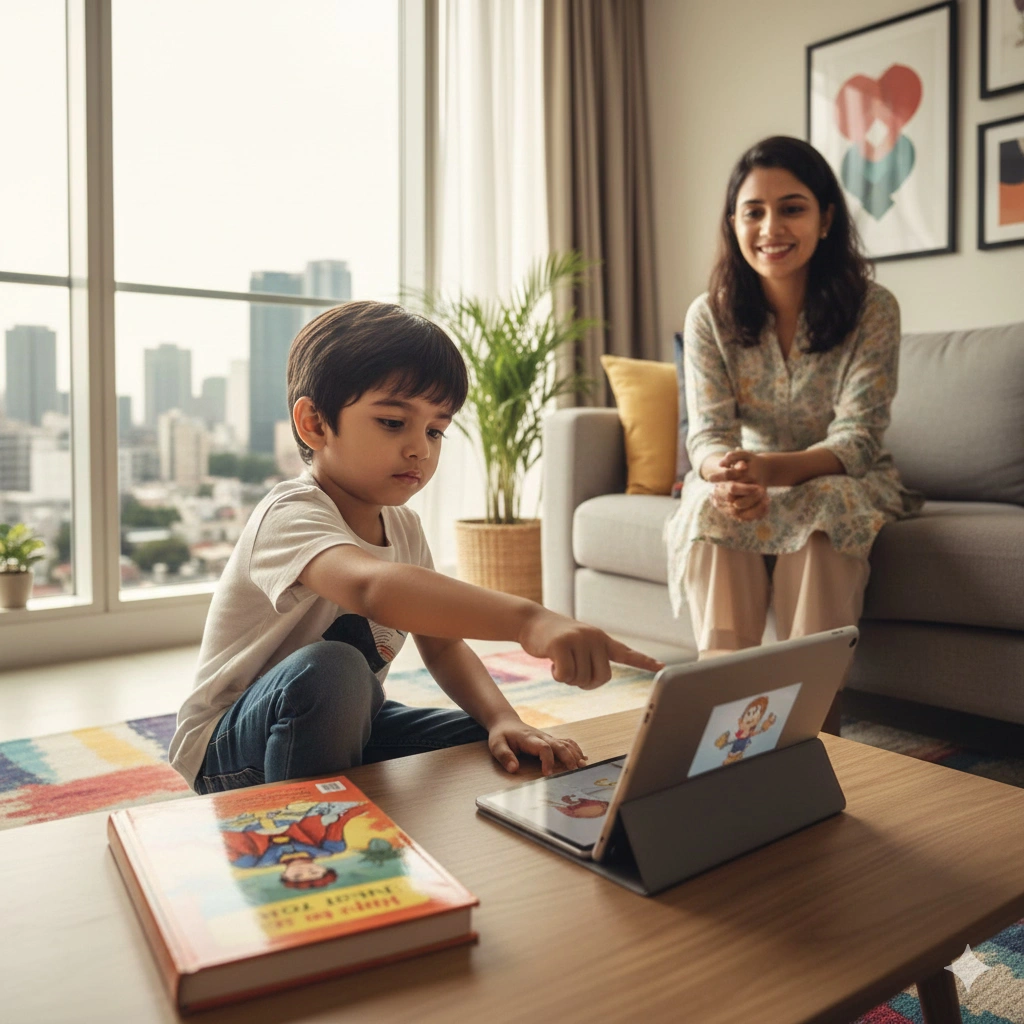
Early decision-making opportunities build confidence and independence in children
Why Decision-Making Is a Critical Life Skill
Decision-making is not innate—it's developed. Small everyday choices about what to wear, what to eat, or how to organize study time offer children their first opportunities to exercise autonomy. These small decisions form the foundation for bigger, more complex choices: selecting academic streams, pursuing hobbies, and ultimately, choosing career paths.
Vygotsky's Scaffolding Concept
Russian psychologist Lev Vygotsky introduced scaffolding—the concept of temporary guidance that allows children to learn independently while maintaining support. Parents don't need to control every aspect of their child's life. Instead, they act as mentors, helping children reflect on choices, understand consequences, and develop critical thinking skills.
What Research Shows About Child Autonomy
A comprehensive meta-analysis of 238 studies involving over 126,000 participants found that parental autonomy support has a moderate-to-strong positive effect on child well-being (r = 0.30). In contrast, psychological control was linked with increased child anxiety and behavioral problems.
More specifically, research on adolescent decision-making revealed:
- Adolescents engaged in everyday decision-making showed significant improvement in affective decision-making capacity
- 32% reduction in binge-drinking behavior one year later compared to adolescents whose parents made all decisions
- Children who independently made decisions improved their working memory scores significantly
Key Insight: These aren't just behavioral improvements—they're measurable changes in cognitive function and emotional regulation.
Learning from Mistakes: The Gateway to Resilience
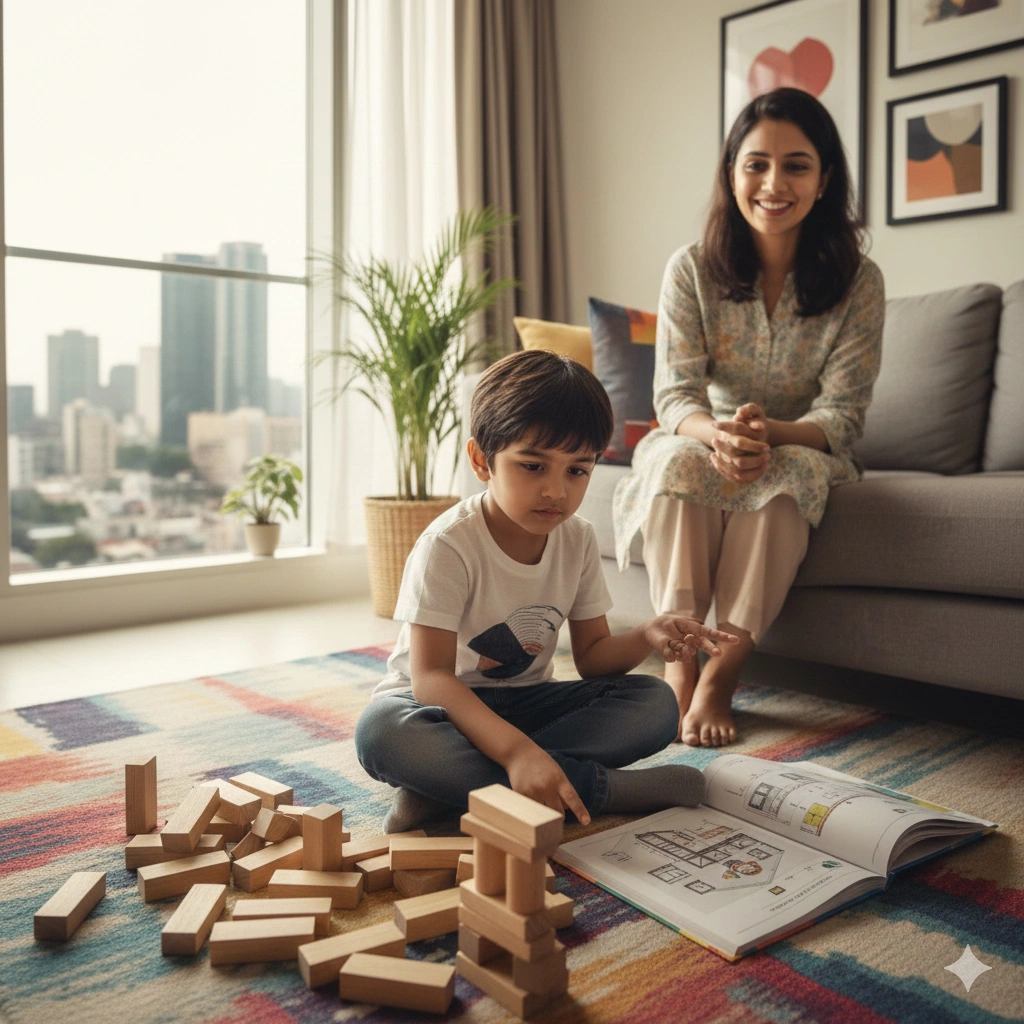
Mistakes are valuable learning opportunities that build resilience and problem-solving skills
When children face consequences for their own choices, they develop resilience—the ability to recover from setbacks and continue pursuing goals. Each wrong decision teaches adaptability, problem-solving, and self-awareness.
What Children Learn from Mistakes
- Adaptability: How to adjust strategies when things don't go as planned
- Problem-solving: Analyzing what went wrong and finding solutions
- Self-awareness: Understanding personal strengths and limitations
- Accountability: Taking ownership of decisions and their outcomes
- Resilience: Bouncing back from setbacks with renewed determination
The Neuroscience of Learning from Setbacks
Research on how parents discuss mistakes with their children revealed critical patterns. When mothers acknowledged their child's emotions AND discussed collaborative solutions, children showed significantly lower fear of making mistakes.
In contrast, when parents discussed action plans without emotional acknowledgment or collaborative support, children's anxiety about future mistakes increased. Studies on parenting styles found that harsh, critical parenting linked to increased error anxiety in children, especially girls. Children raised with harsh criticism became more anxious about making mistakes, which ironically reduced their learning.
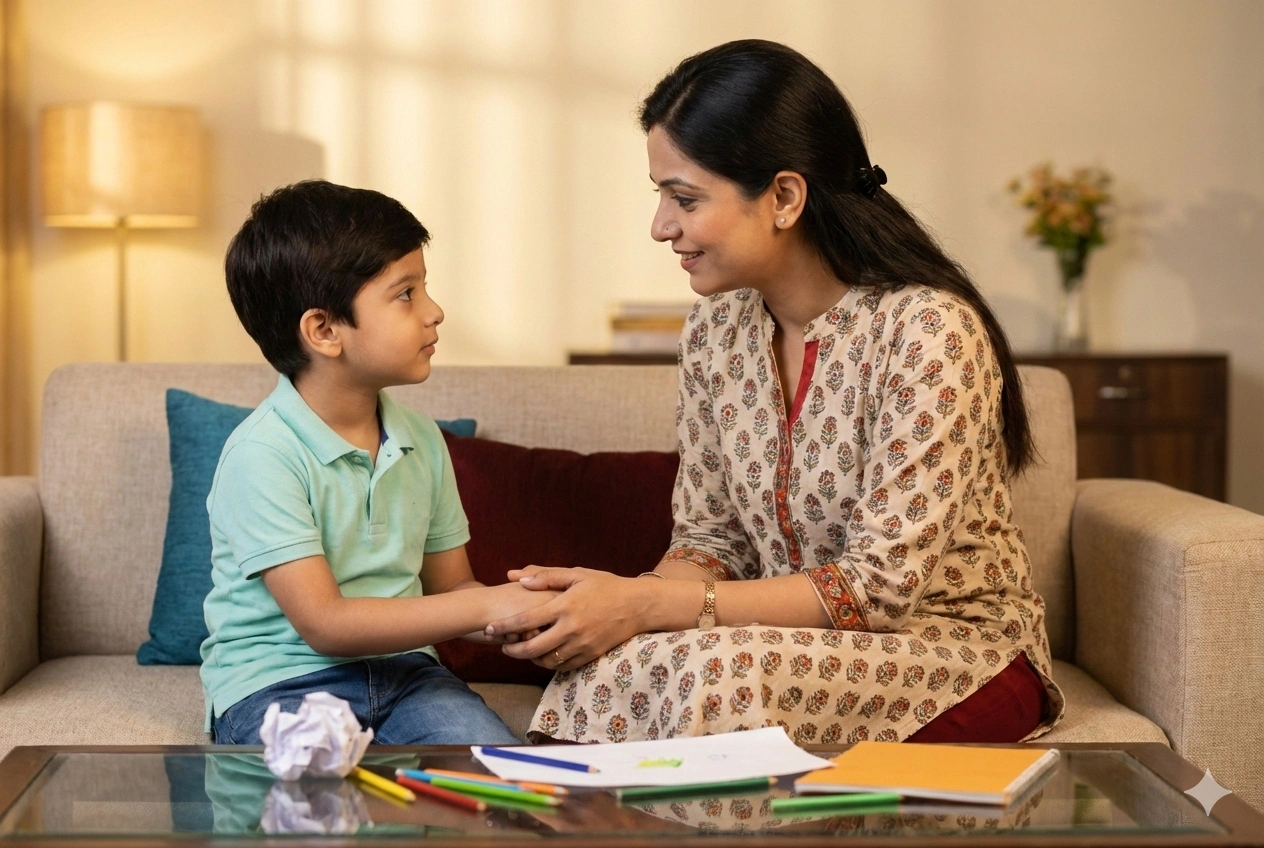
Supportive parent-child conversations about mistakes reduce fear and enhance learning
The takeaway: How parents respond to mistakes matters more than whether mistakes happen.
The Emotional Benefits of Independent Decision-Making
Young children often struggle with tantrums, frustration, and anxiety when they feel powerless in their own lives. Allowing children to make choices gives them a sense of control and ownership, enabling them to recognize and regulate their emotions.
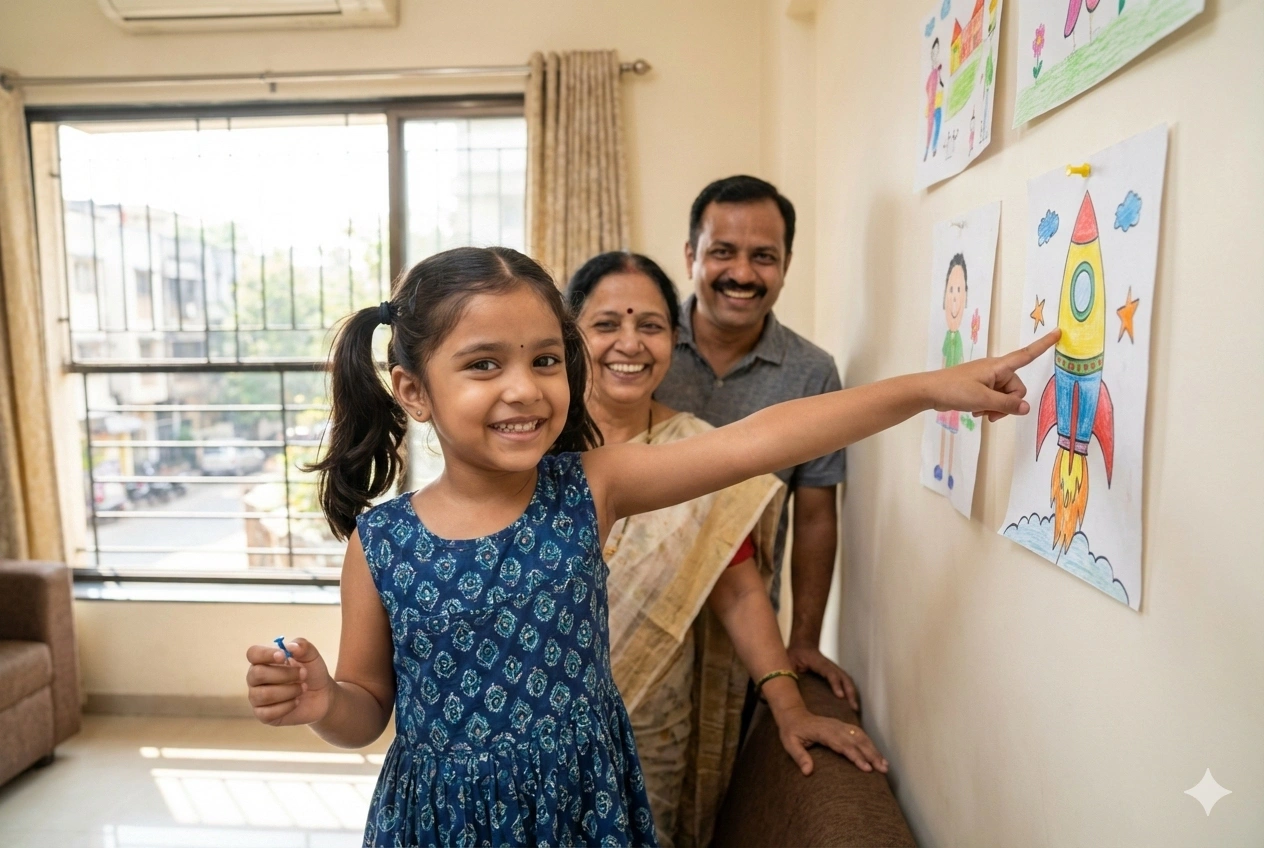
Children develop emotional intelligence and confidence through independent decision-making
As children reflect on the outcomes of their decisions, they develop:
Self-Awareness
Understanding their abilities and limitations through experience
Emotional Intelligence
Managing frustration and disappointment constructively
Responsibility
Understanding that actions have direct consequences
Confidence
Believing they can handle challenges independently
NEP 2020 Emphasis: India's National Education Policy (NEP) 2020 strongly emphasizes active learning, where students are encouraged to engage with challenges, ask questions, and participate in decisions affecting their learning. This approach builds not just academic competence but also confidence and independent thinking—skills necessary for success in an ever-changing world.
How to Foster Decision-Making Skills: A Practical Guide for Parents
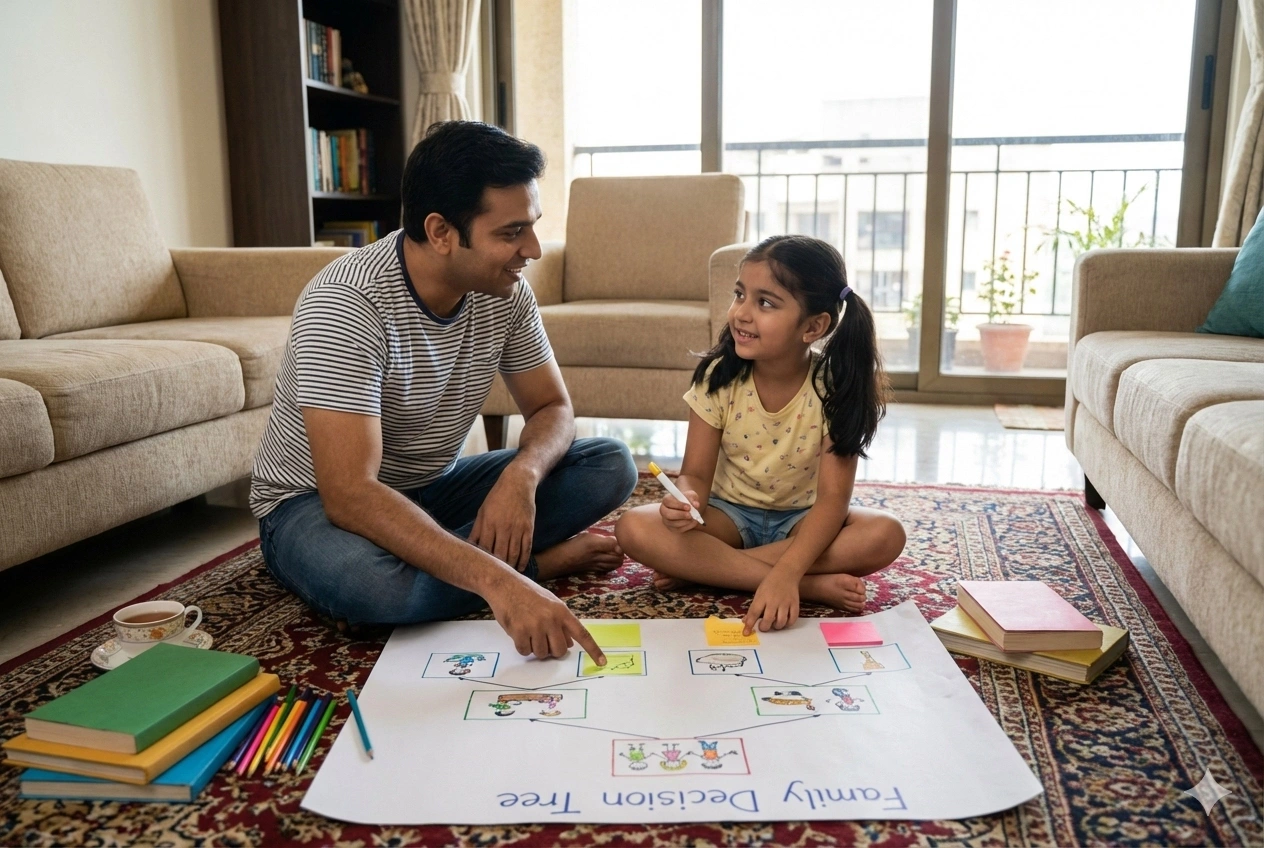
Practical parenting strategies help children develop strong decision-making abilities
Start Small and Gradually Increase Responsibility
Begin with simple decisions: meal choices, clothing preferences, how to spend free time. As children grow, introduce more significant decisions—selecting subjects, extracurricular activities, or solving problems independently.
Create a Safe Environment for Mistakes
Mistakes should never meet harsh criticism. Instead, guide children to reflect: What went wrong? What could have been done differently? How can this lesson apply next time?
This approach builds resilience rather than shame.
Balance Guidance with Autonomy
Children need freedom within boundaries. Offer advice and share your experiences without forcing decisions.
"The way kids learn to make good decisions is by making decisions, not by following directions." — Alfie Kohn
Encourage Reflection and Discussion
After children make decisions, engage them in conversations about outcomes, emotions, and lessons learned. This reinforces critical thinking and deepens understanding.
Sample Reflection Questions
- What did you learn from this experience?
- What would you do differently next time?
- What part of your effort are you proud of?
- How did you feel when making this decision?
- What resources or help did you use?
Celebrate Effort, Not Just Results
Children learn more from process than outcome. Recognize their thought process, effort, and persistence—not just success. This reinforces confidence and a growth mindset.
Building Resilient, Self-Reliant Adults
Children who make decisions and learn from mistakes develop more than academic skills—they develop character.

Early autonomy develops into confident, resilient adults ready for life's challenges
Characteristics of Resilient Children
- Face setbacks without paralyzing fear
- Think critically before acting
- Develop a strong moral compass
- Become independent problem-solvers
- Contribute positively to society
Mann Ki Baat Wisdom: In his Mann Ki Baat addresses, Prime Minister Narendra Modi has similarly emphasized the importance of nurturing self-reliance and responsibility among young Indians, urging parents and educators to create environments where children can experiment, learn, and grow.
Conclusion: Parenting as a Balance
Parenting is a delicate balance between guidance and freedom. Letting children make decisions and learn from mistakes equips them with lifelong skills: resilience, responsibility, self-confidence, and emotional intelligence.
The evidence is clear: Parental autonomy support is one of the most powerful predictors of child well-being, with effects that persist across cultures, age groups, and life circumstances.

The parent-child journey balances guidance with freedom for optimal development
Small choices today pave the way for confident decisions tomorrow. By fostering a supportive environment that encourages decision-making, reflection, and learning from failures, parents can raise children who are not just academically competent but mentally strong, emotionally balanced, and socially responsible.