Mental Relaxation: Vacations and Student Mental Health
Continuous academic pressure can exhaust the mind, making it difficult for students to focus, learn, and perform effectively. Without proper breaks, students are more vulnerable to burnout, anxiety, and loss of motivation. Vacations allow them to step away from rigid routines and give the mind time to rest and recharge.
Swami Vivekananda believed balance is the key to a meaningful life, and that rest is as important as work. A refreshed mind is more capable of understanding and retaining information. Modern educational psychology similarly highlights that breaks and vacations improve memory consolidation, reduce stress, and protect against burnout in learners.
Experiential Learning: Education Beyond Textbooks
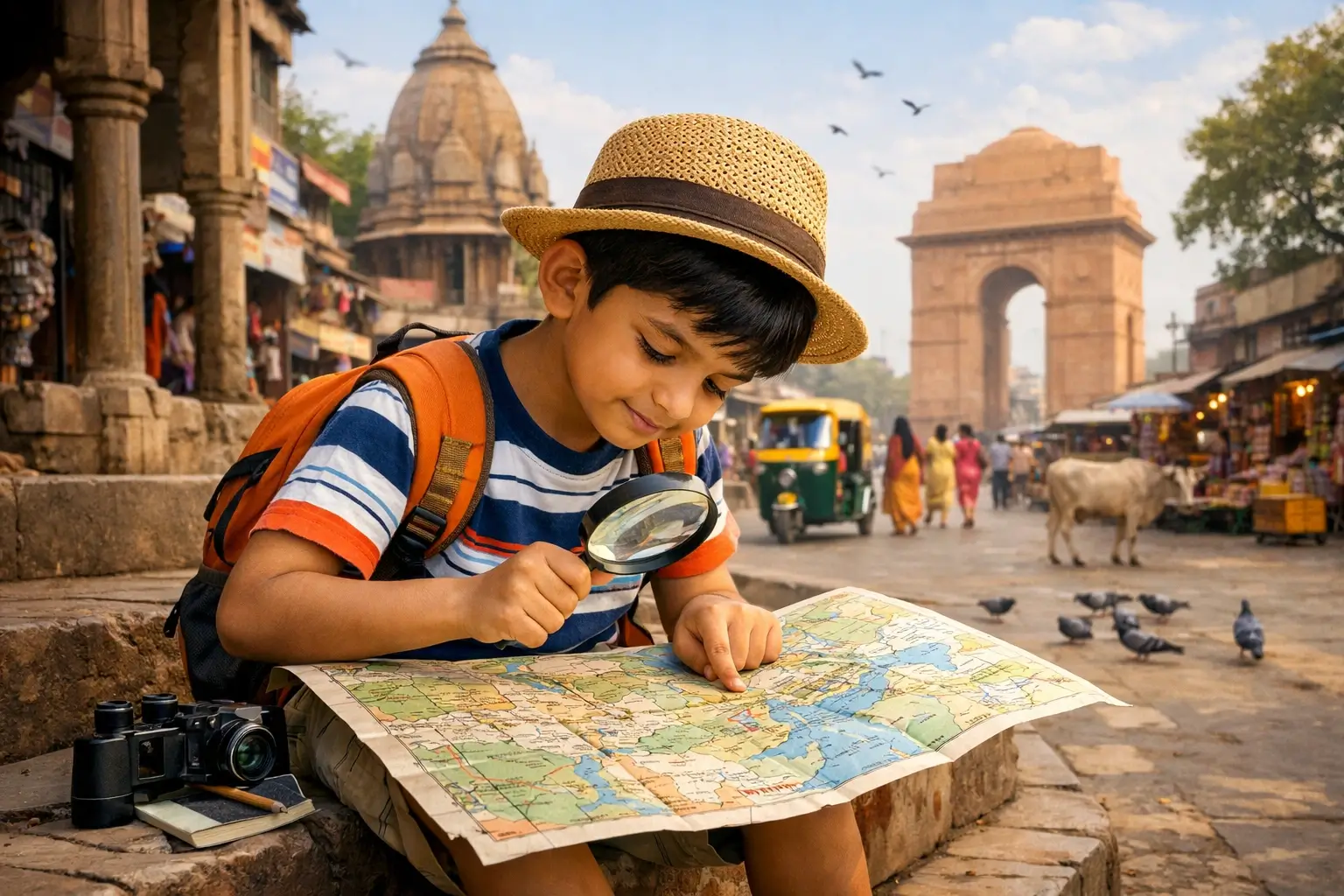
Vacations open the door to experiential learning, something often missing in traditional classroom-based education. While textbooks offer theory, real understanding grows through experience.
During holidays, students can:
Travel and explore new places
Learn about different cultures and communities
Visit historical monuments, museums, villages, and natural reserves
These experiences make knowledge practical and memorable. Rabindranath Tagore strongly advocated learning connected with nature and real life, insisting that education should be joyful and rooted in experience, not confined within classroom walls.
Emotional Well-Being: Stress Relief and Inner Balance
Academic life often brings competition, expectations, and fear of failure, which can affect a student’s emotional health and confidence. Vacations provide much-needed relief from this pressure, giving students time to engage in activities they genuinely enjoy—playing games, pursuing hobbies, or simply relaxing.
These unpressured moments support emotional stability and happiness. Jiddu Krishnamurti emphasized self-awareness and inner peace as essential parts of true education. Vacations create space for students to reflect on their feelings, understand their interests, and connect with their inner selves.
Strengthening Family Bonds and Relationships
Busy school schedules often limit meaningful family interaction. Vacations allow families to spend quality time together—through travel, shared activities, or simple everyday conversations.
In Indian culture, where family plays a central role in shaping values and identity, these shared experiences:
- Deepen emotional connections
- Build memories that last
- Provide children with strong emotional support
Such support significantly influences a child’s confidence and overall personality development.

Physical Health: Active Bodies, Active Minds
Regular school routines involve long hours of sitting, limited movement, and sometimes unhealthy lifestyle patterns. Vacations, in contrast, naturally encourage more physical activity.
Outdoor Play
Engaging in sports and free play.
Active Hobbies
Cycling, swimming, trekking, or yoga.
Traditional Games
Playing games like kho-kho and kabaddi.
These activities improve stamina, coordination, and overall fitness. Swami Vivekananda often stressed that a strong body is essential for a strong mind. Vacations therefore contribute to both physical health and mental energy.
Creativity, Hobbies, and Independent Thinking
Away from the rigid structure of school schedules, vacations give students the freedom to explore their interests and talents. They may draw, paint, sing, play music, write stories, or learn practical skills like cooking, gardening, or basic coding.
This freedom nurtures curiosity, creativity, and independent thinking. Tagore believed creativity is a natural expression of the human spirit and must be encouraged in education, not restricted by constant evaluation.
Life Skills: Responsibility, Adaptability, and Problem-Solving
Vacations are also powerful opportunities for learning life skills that textbooks rarely teach. Through travel and everyday tasks, students learn:
- Planning and organizing (e.g., preparing for a trip or an outing)
- Time and money management
- Adjusting to new environments and people
- Decision-making and problem-solving in real situations
Even helping with household chores builds responsibility and independence. Jiddu Krishnamurti believed education should prepare individuals for life, not just for examinations. Vacations support this vision by turning real-world situations into learning experiences.
Reflection and Goal-Setting: Preparing for the Next Term
Vacations also offer quiet time for reflection. Students can look back at their recent academic journey, notice their strengths and areas for improvement, and set realistic, meaningful goals for the upcoming term.
This reflective practice increases self-awareness and ownership of learning. Students return to school with clearer priorities, renewed motivation, and a stronger sense of direction.
Using Vacations Wisely: A Balanced Approach
The true value of vacations depends on how they are used. Spending most of the time on mobile phones, television, or unproductive activities can reduce their benefits. A balanced vacation should include rest, learning, physical movement, creative activities, and family time.
Parents and teachers can support students by guiding them gently—encouraging meaningful activities without turning vacations into extra academic burden.

Conclusion: Vacations as a Vital Part of Holistic Education
Vacations are not just breaks from school; they are essential periods that support a student’s overall development. The insights of Rabindranath Tagore, Swami Vivekananda, and Jiddu Krishnamurti remind us that real education is a continuous process of growth and self-discovery, not just exam preparation.