Changing Lifestyles and Reduced Physical Activity in Indian Students
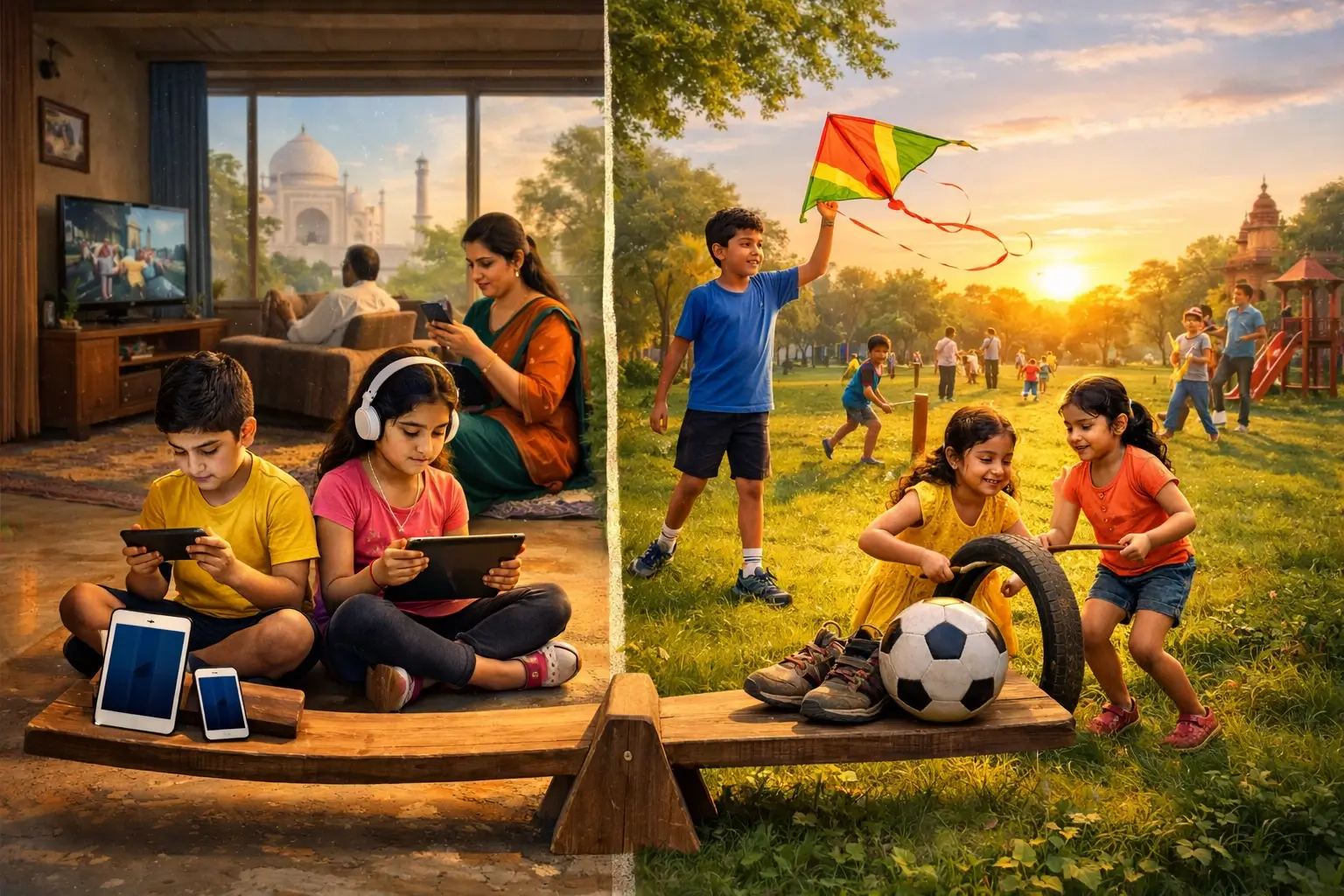
Indian childhoods were once filled with outdoor games—street cricket, running in open spaces, and informal group play. Today, urban living spaces have shrunk, playgrounds are disappearing, and safety concerns often keep children indoors. At the same time, smartphones, tablets, and online entertainment have made screen time a dominant part of daily life.
Many students now prefer video games or social media over physical play. As a result, their level of daily physical activity has dropped, contributing to health risks like excess weight and early lifestyle-related problems.
- Less outdoor space and more screens mean children move far less than before.
- Sedentary habits in school years can create long-term health challenges.
Physical Health Benefits of Exercise for School Students in India
Exercise for school students plays a critical role in maintaining and improving physical health. Regular physical activity helps in:
Muscles & Bones
Strengthening growing muscles and bones.
Cardiovascular Health
Improving heart and lung (cardiovascular) health.
Motor Skills
Enhancing flexibility, balance, and coordination.
Metabolism
Supporting a healthy body weight and metabolism.
In India, concerns about childhood obesity and inactivity are increasing, even among younger age groups. Lack of physical activity, combined with unhealthy eating habits, is a major contributor. Regular exercise helps regulate metabolism and prevents excess fat accumulation.
Children who develop active habits early are also less likely to face lifestyle-related diseases such as diabetes and hypertension later in life. Establishing fitness habits in school years builds a stronger, healthier future.
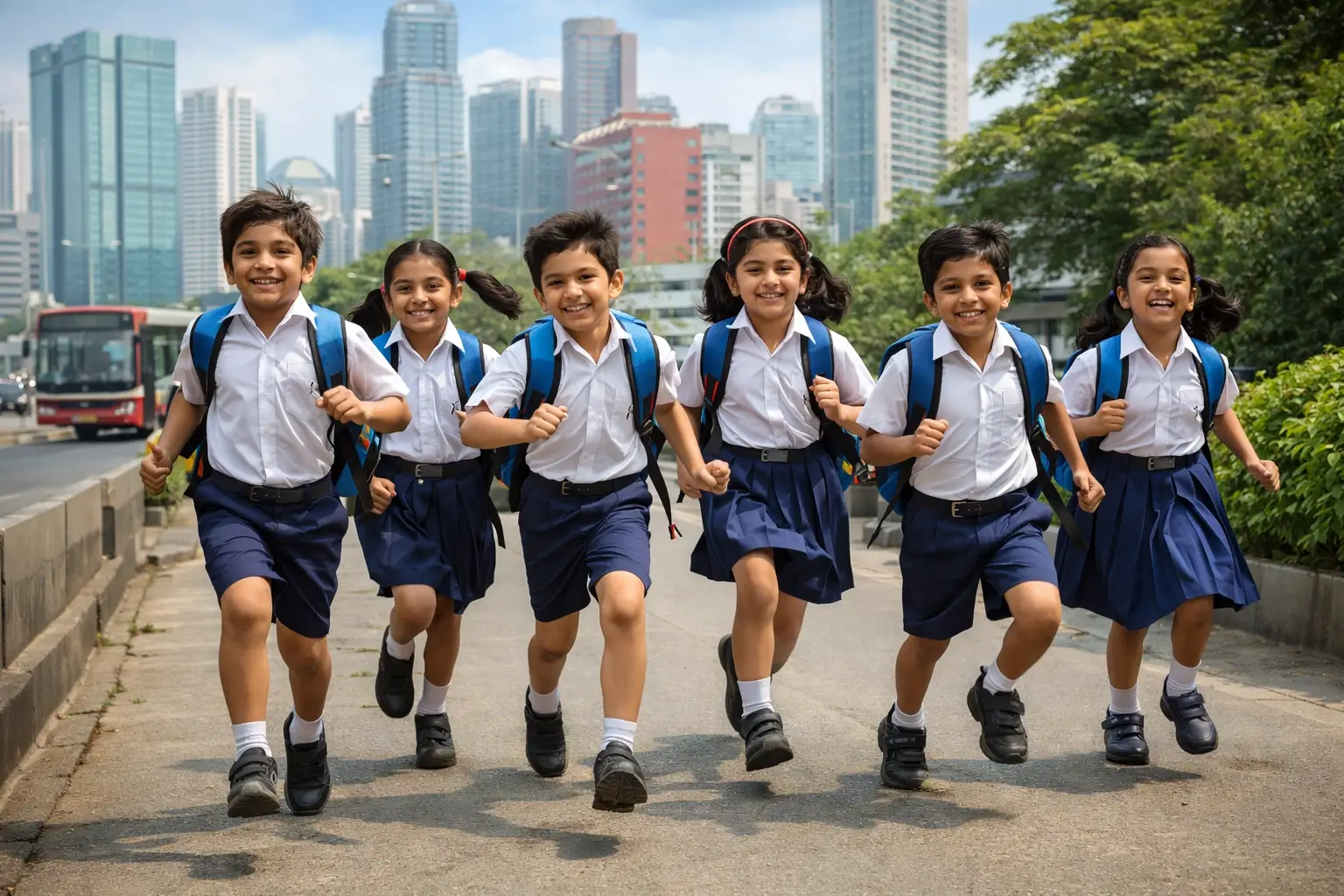
Mental Health and Emotional Well‑Being: Exercise as a Stress Reliever
The importance of exercise goes far beyond physical fitness—it is equally crucial for mental health and emotional well-being. Today’s students face intense academic stress, competition, and high expectations from parents and schools.
Exercise acts as a natural stress reliever. Physical activity releases endorphins—“feel‑good” hormones—that help reduce anxiety and improve mood. Students who exercise regularly are often more relaxed, confident, and emotionally balanced.
Key Points on Mental Health
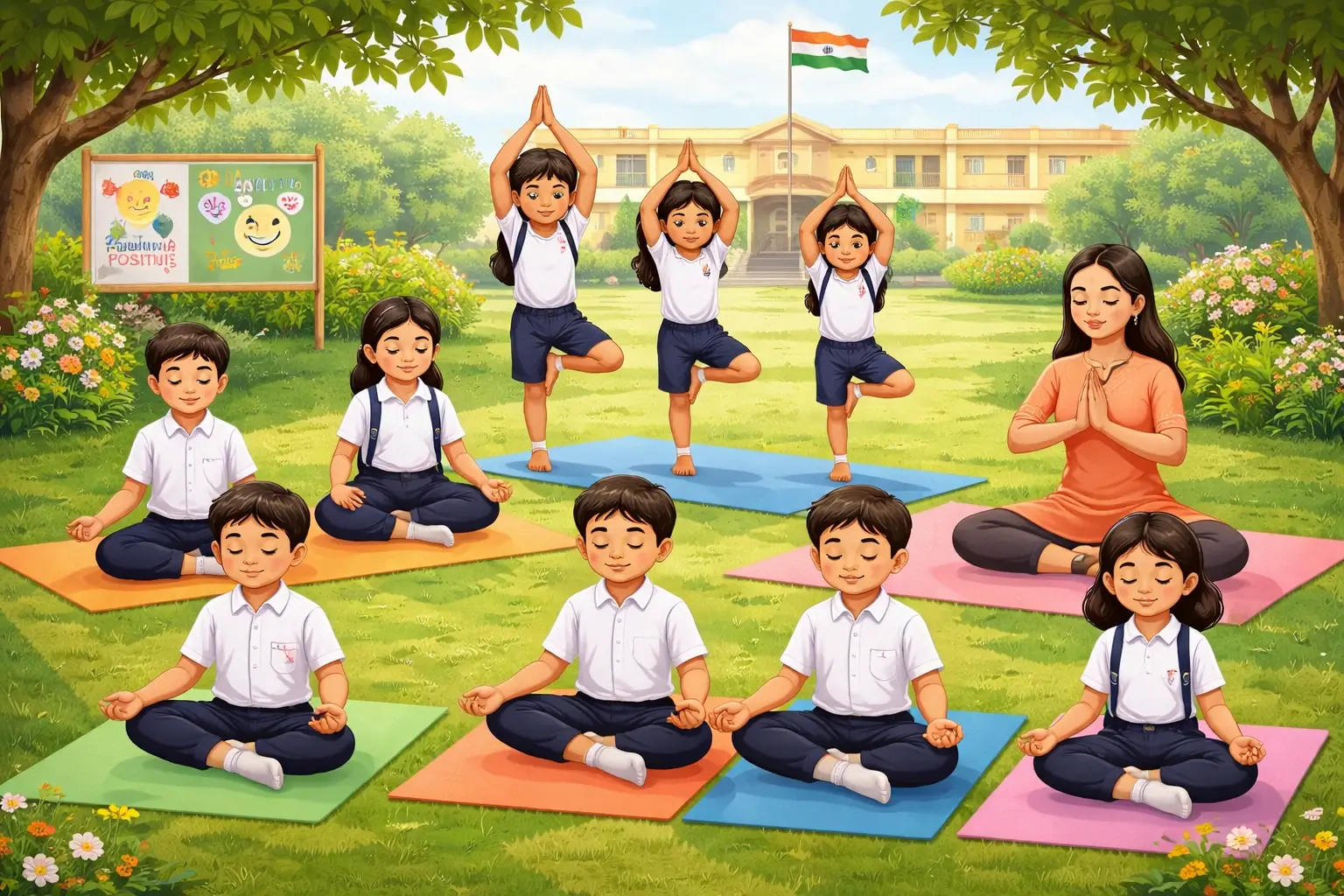
Improved Concentration and Academic Performance Through Physical Activity
Contrary to the belief that “more study time always equals better marks,” research shows that physical activity can enhance academic performance. Exercise improves blood flow to the brain and supports key cognitive functions such as memory, attention, and problem‑solving.
Students who participate in regular physical activities often:
- Concentrate better in class
- Are less distracted and more alert
- Grasp concepts more quickly and remember them longer
Short movement breaks or daily exercise can actually boost productivity and learning, especially important for Indian students who spend long hours preparing for exams.
Development of Social Skills Through Sports and Games
Exercise—especially in the form of team sports—plays a vital role in developing social and life skills. Group activities like football, basketball, cricket, and traditional Indian games teach children how to:
- Work in teams
- Communicate clearly
- Respect rules and others’ viewpoints
Through sports, students learn discipline, leadership, cooperation, and perseverance. They also experience wins and losses and learn how to handle both gracefully—an essential life skill.
In a diverse country like India, where students come from many cultural and social backgrounds, sports can act as a powerful unifying force, helping build friendships and a sense of community.
Building Discipline and Time Management Through Daily Exercise
Regular exercise requires consistency and commitment. When students make physical activity part of their routine, they naturally learn discipline and time management. They begin to:
These skills benefit them not only in school but later in higher education and careers as well.
Addressing the Digital Challenge and Screen Time
One of the biggest challenges facing students today is excessive screen time—online classes, gaming, social media, and endless digital entertainment. This can lead to eye strain, poor posture, disrupted sleep, and reduced physical activity.
Exercise offers a healthy counterbalance. Encouraging students to step outdoors, play sports, or even do indoor physical activities helps:
- Reduce reliance on screens
- Improve posture and sleep quality
- Promote a more balanced and active lifestyle
Parents and schools in India must actively promote fitness and outdoor play as a necessary response to growing digital dependence.
Role of Schools in Promoting Exercise and Physical Education in India
Schools have a crucial role in ensuring students remain physically active. Physical education (PE) should not be treated as a secondary or “free” period but as an integral part of the school curriculum.
Unfortunately, in many Indian schools, sports periods—especially in higher grades—are replaced with extra academic classes. This trend needs to change. Schools should:
Dedicated Time
Allocate dedicated time for PE and sports.
Infrastructure
Provide safe playgrounds and basic sports infrastructure.
Competitions
Encourage participation in games, teams, and competitions.
Programs
Organize fitness programs, yoga sessions, and awareness campaigns.
Initiatives like morning exercises, school yoga, and annual sports days help create a strong culture of fitness within schools.
Cultural Relevance of Exercise in India: Yoga and Traditional Practices
India has a rich tradition of physical and mental wellness practices such as yoga and meditation. These not only improve physical fitness but also support mental clarity and emotional balance.
Integrating traditional forms of exercise with modern sports can give students a holistic health experience. Yoga, in particular, can help school students:
This makes yoga an especially relevant form of school‑based exercise in the Indian context.
Long‑Term Benefits of an Active Lifestyle for Students
Habits built in school years often continue into adulthood. Students who understand the importance of regular exercise are more likely to lead active, healthy lives later on.
Long‑term benefits include:
Key points to remember: Active children are more likely to become active, health‑conscious adults. Exercise supports lifelong physical, mental, and emotional well‑being.

Conclusion: Exercise Is a Necessity, Not a Luxury
In the Indian context—where academic excellence is heavily emphasized—the importance of exercise for school students cannot be overstated. It is not a luxury or optional add‑on; it is a non‑negotiable necessity.
- Supports physical health and disease prevention
- Enhances mental well‑being and stress management
- Improves concentration and academic performance
- Builds discipline, social skills, and resilience
In an era dominated by screens and sedentary habits, regular physical activity is a powerful tool to restore balance in students’ lives. Parents, educators, and policymakers must work together to create an environment where physical education, sports, and daily movement are encouraged and valued. By doing so, we can help the younger generation grow not only intellectually strong but also physically fit and emotionally resilient—ready to face the future with strength in both mind and body.