How Schools Shape Personality Development: Hidden Power of Teachers & Environment [2026]
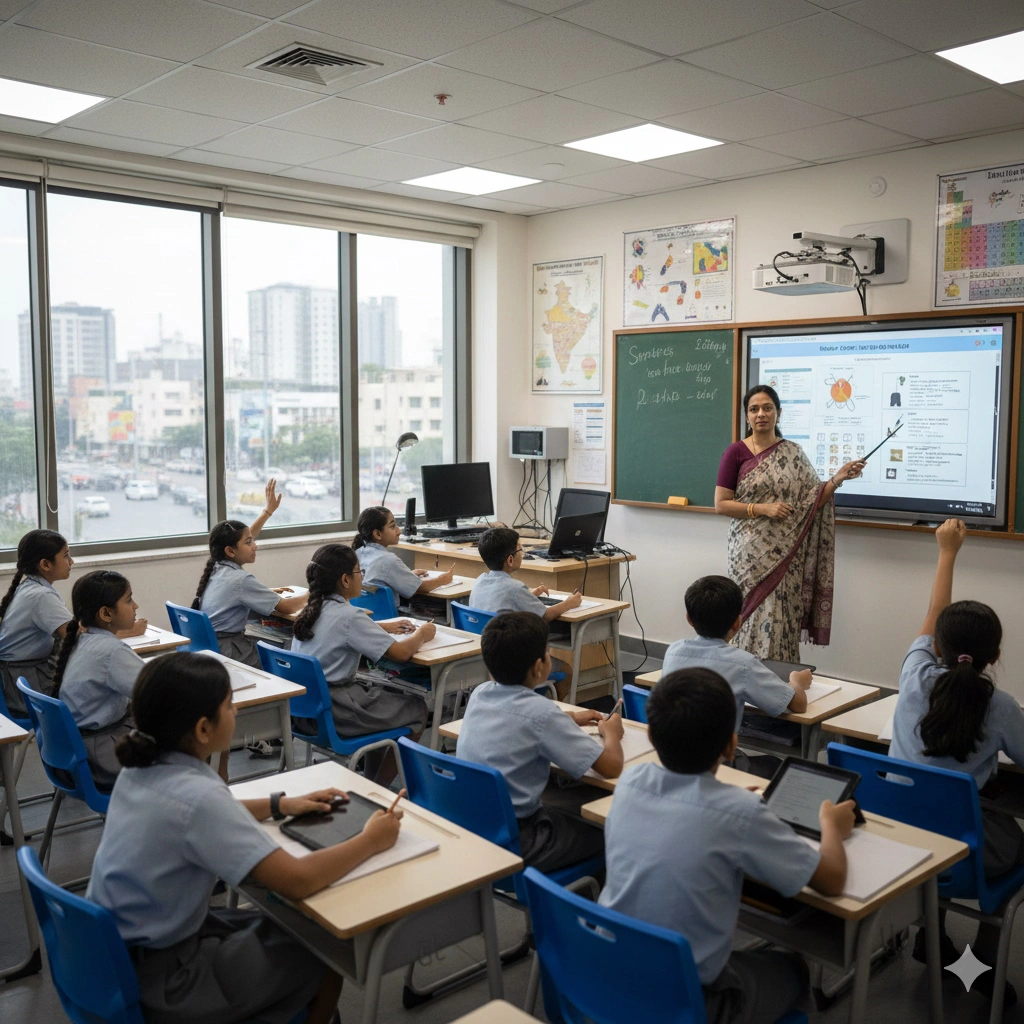
Teachers act as master architects shaping young minds through daily interactions
📊 Did you know? Teachers have a greater impact on student happiness (0.31 standard deviations) than on academic performance itself. This surprising discovery reveals an uncomfortable truth: schools aren't just academic institutions—they're personality-building factories where teachers act as master architects of young minds.
Why Personality Development Starts in School, Not Home
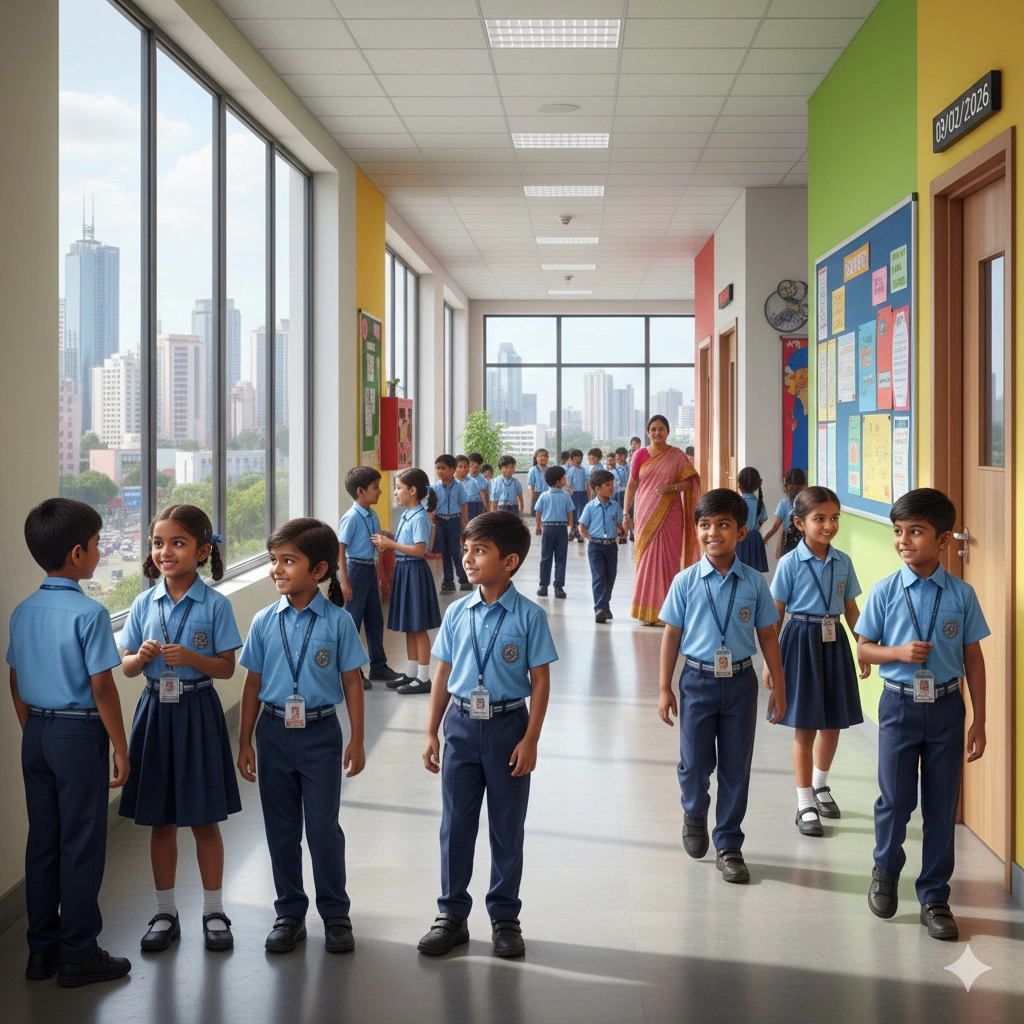
Childhood is 70% shaped by environment, not genetics. Children spend 6-7 hours daily in school during their formative years (ages 5-18), meaning schools influence personality more than parents in sheer time investment. This is where structured discipline, peer relationships, teacher mentorship, and extracurricular activities converge to create transformative personalities.
The Teacher Effect: Why Your Child's Teacher Matters More Than You Think
Teachers as Personality Architects
Research proves it: Teacher personality traits directly predict student emotional development, resilience, and self-belief.
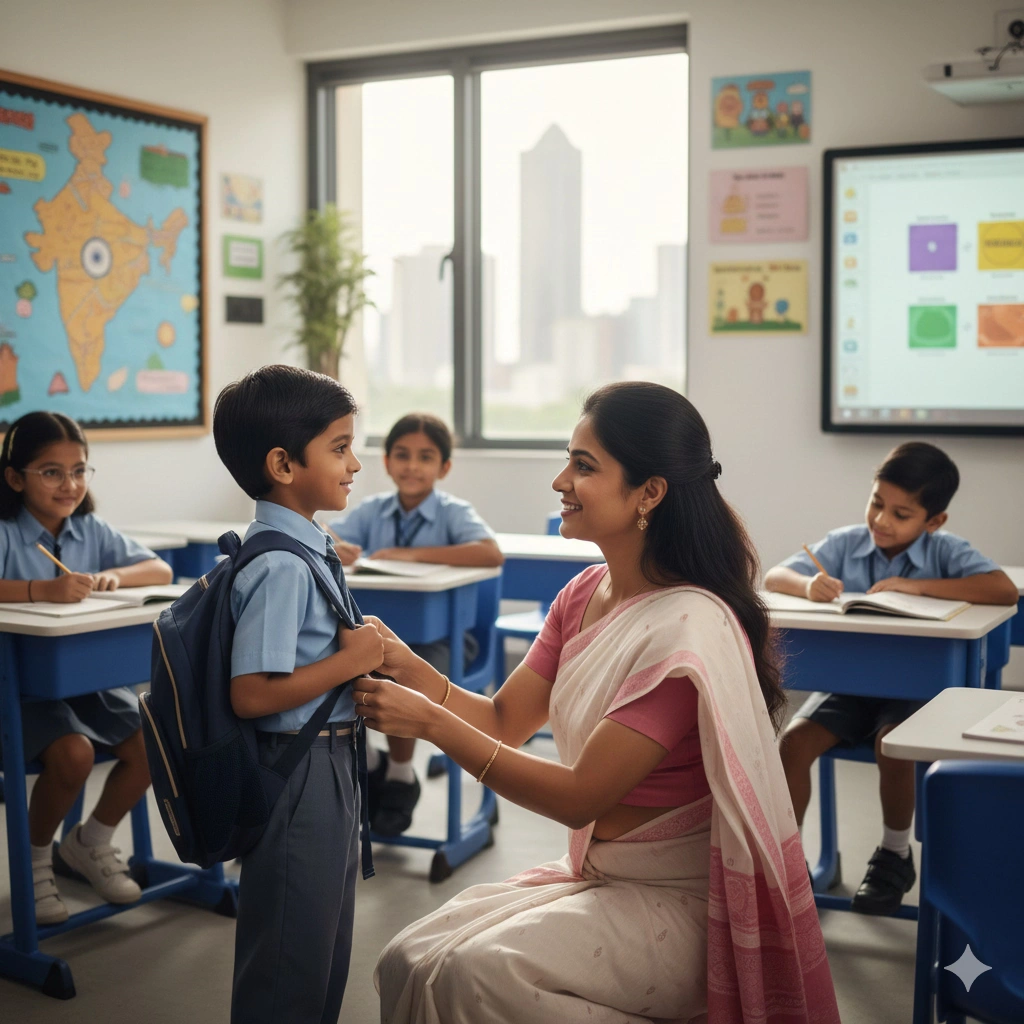
Teacher warmth impacts student happiness more than any other factor
A teacher's impact goes far beyond delivering lessons. Studies show:
| Teacher Trait | Student Impact | Magnitude |
|---|---|---|
| Conscientiousness | Higher academic support perception | 0.14 SD improvement |
| Emotional Stability | Greater self-efficacy & confidence | 15% increase |
| Openness to Experience | Higher GPA & creative thinking | 13% improvement |
| Agreeableness | Better emotional support received | 20% boost |
| Classroom Warmth | Student happiness levels | 0.31 SD (highest impact!) |
How Teachers Shape These Personality Traits:
- Confidence Building: Teachers who encourage risk-taking and normalize failure help students develop self-efficacy (belief in their own abilities)
- Emotional Intelligence: Teacher guidance in managing emotions teaches kids to regulate stress, anxiety, and disappointment
- Communication Skills: Classroom participation, presentations, and discussions build public speaking confidence—a top leadership trait
- Growth Mindset: Teachers who praise effort over talent instill resilience and perseverance
- Moral Development: Teacher modeling of honesty, kindness, and respect shapes ethical behavior
The School Environment: Creating the Conditions for Personality Growth
1. Discipline & Routine = Self-Discipline
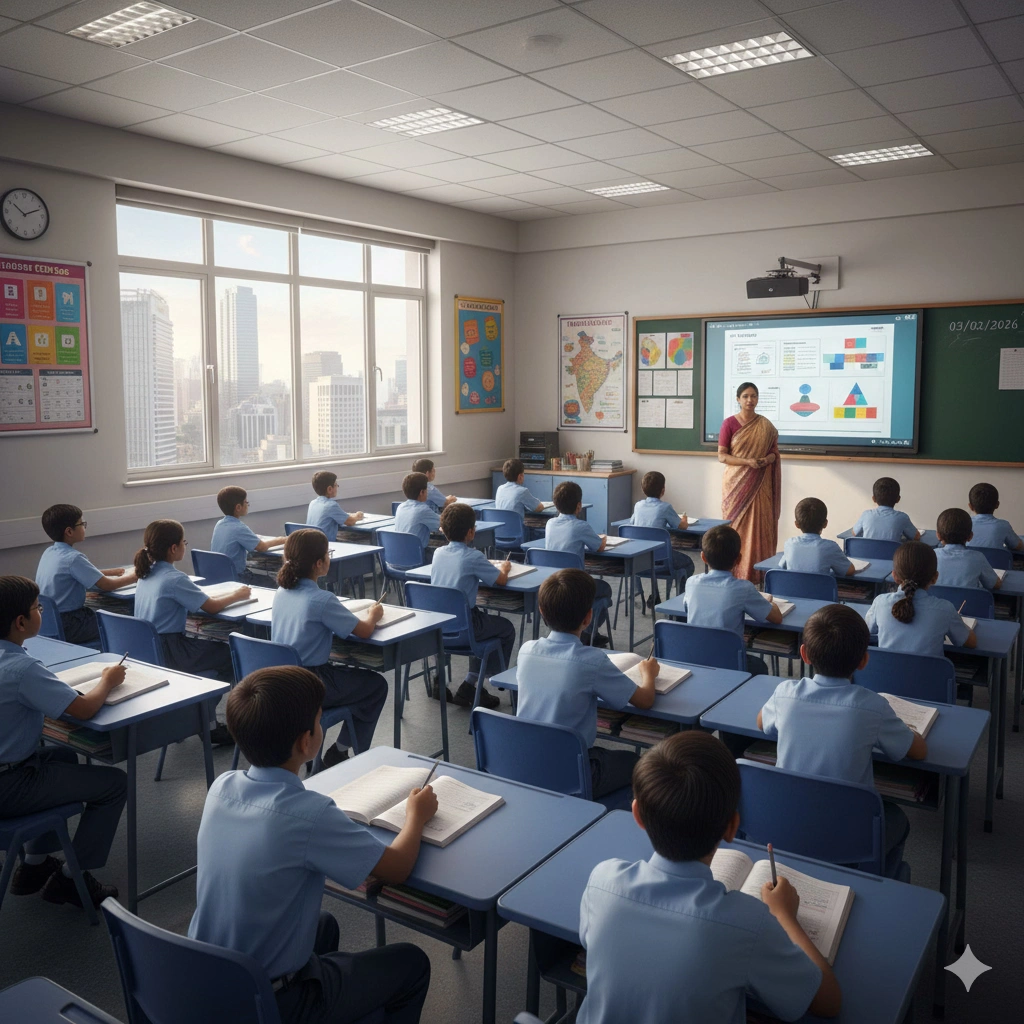
Schools teach children the invisible architecture of adult life: time management, responsibility, and following guidelines. This isn't punishment—it's personality training.
Key Evidence:
- Children in structured school environments develop 27% better self-discipline than homeschooled peers
- Regular schedules teach time management, a cornerstone skill for career success
- Uniforms and rules create psychological safety, allowing kids to focus on relationships
2. Peer Interaction = Social Maturity
Unlike homes, schools force children into unavoidable diversity. They interact with kids from different:
- Socioeconomic backgrounds
- Religions and cultures
- Learning abilities
- Social hierarchies
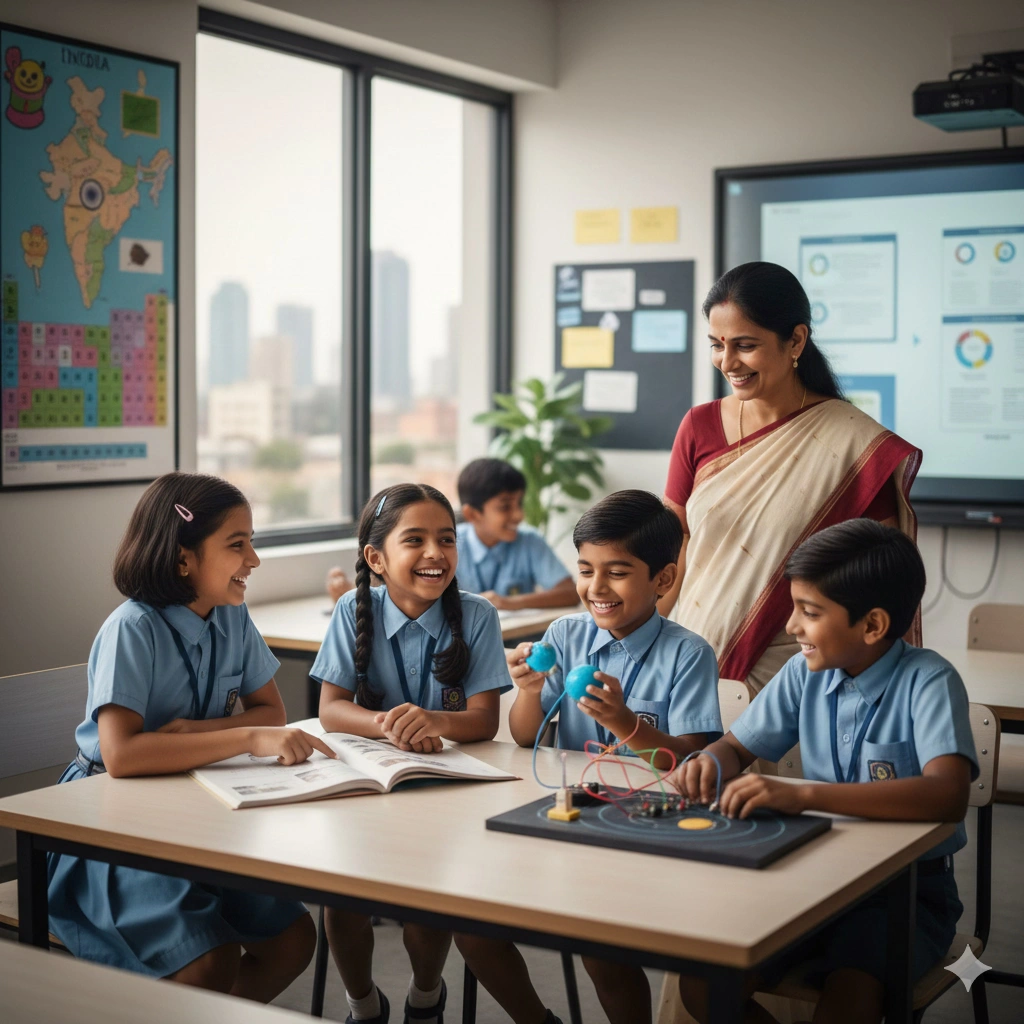
Peer interaction teaches empathy, conflict resolution, and cultural awareness
This daily friction teaches empathy, conflict resolution, and adaptability—traits no parent can teach alone.
📊 Real statistic: Students with disabilities involved in school activities are 3x more likely to have friends than isolated students.
3. Extracurricular Activities = Hidden Character Development
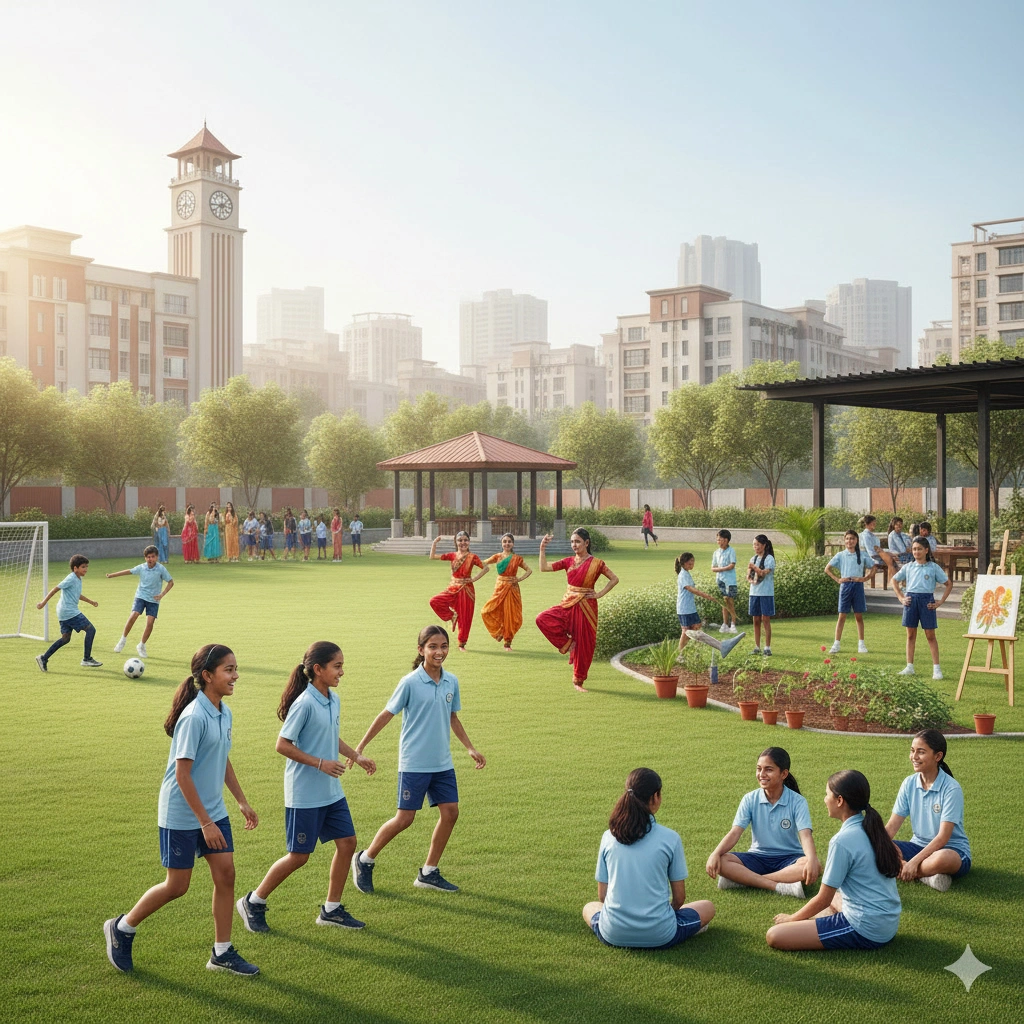
The sports field, music room, and debate stage aren't frivolous additions—they're where personality is truly forged.
Benefits of Extracurricular Participation:
| Activity Type | Personality Trait Developed | Research Finding |
|---|---|---|
| Sports | Teamwork, resilience, discipline | Higher leadership confidence |
| Drama/Music | Confidence, creative expression | 40% increase in stage confidence |
| Debate | Critical thinking, public speaking | Enhanced communication skills |
| Leadership roles | Initiative, accountability | More proactive in adult life |
| Community service | Empathy, social responsibility | Stronger moral compass |
⚠️ Important: Students in extracurricular activities report significantly higher self-concept and character development than non-participants. Don't let your child miss out on these personality-building opportunities!
The Teacher-Student Relationship: The Real Game-Changer
Why This Relationship Matters

One supportive teacher can be the difference between confidence and self-doubt
Teachers act as:
- Role models → Showing how to handle failure, stress, conflict
- Mentors → Guiding students through emotional challenges
- Believers → Often the first adult to tell a struggling child "you can do this"
- Safe adults → Creating psychological safety for children to be vulnerable
The evidence is stark: Students taught by emotionally supportive teachers have:
- Better mental health outcomes
- Higher academic self-efficacy
- Greater social-emotional development
- Stronger resilience when facing failure
What Makes a "Good" Teacher for Personality Development?
It's not degrees or certifications—it's three core traits:
- Conscientiousness → Students feel guided, supported, not lost
- Emotional Warmth → Students feel valued as people, not just scores
- Openness → Students feel free to question, explore, and be themselves
How Schools Create Moral & Ethical Foundation
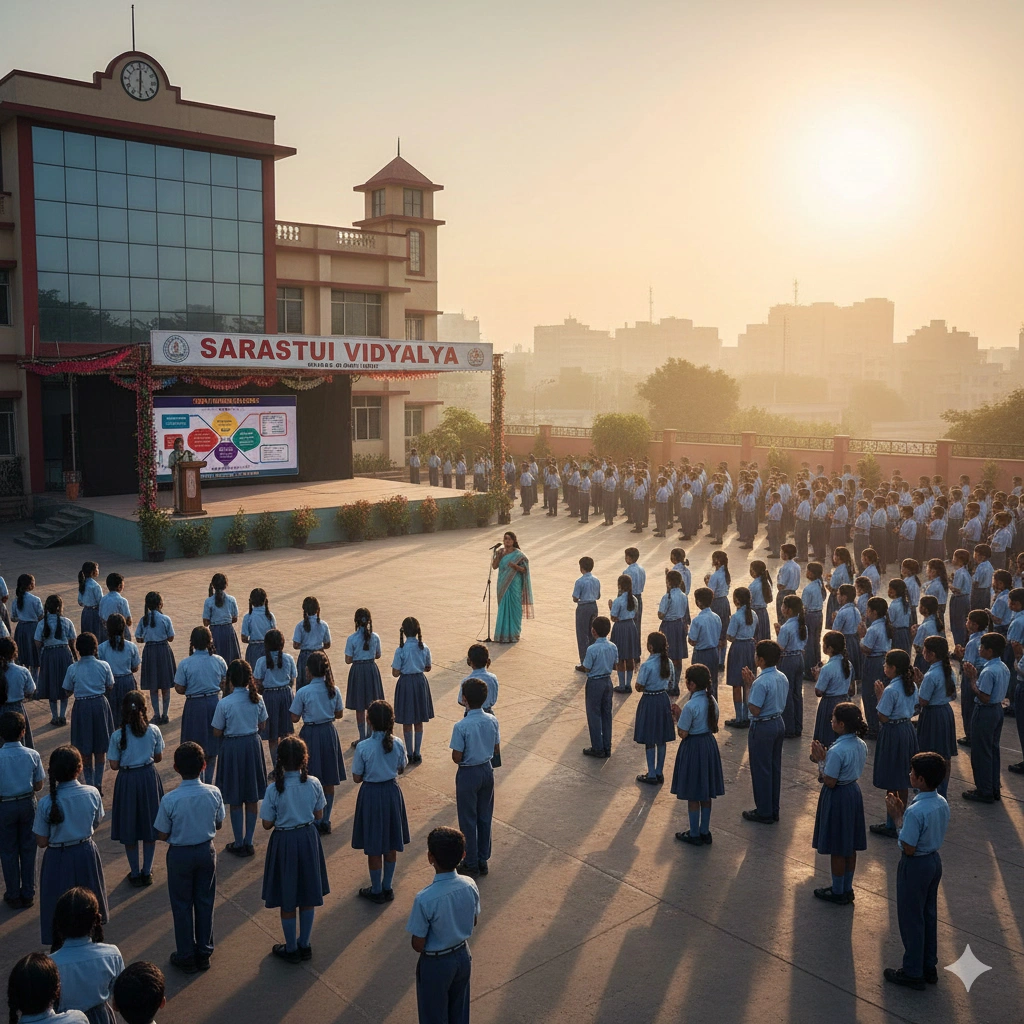
Beyond academics, schools are moral development engines. Through:
- Morning assemblies & value-based lessons → Instill integrity
- Role plays & case studies → Teach ethical decision-making
- Peer accountability → Show consequences of dishonesty
- Celebrating diversity → Build respect for different viewpoints
The Balance: Why Schools Must Do More Than Just Academics
Here's the uncomfortable truth: A school that only teaches academics creates academically smart students with weak personalities.
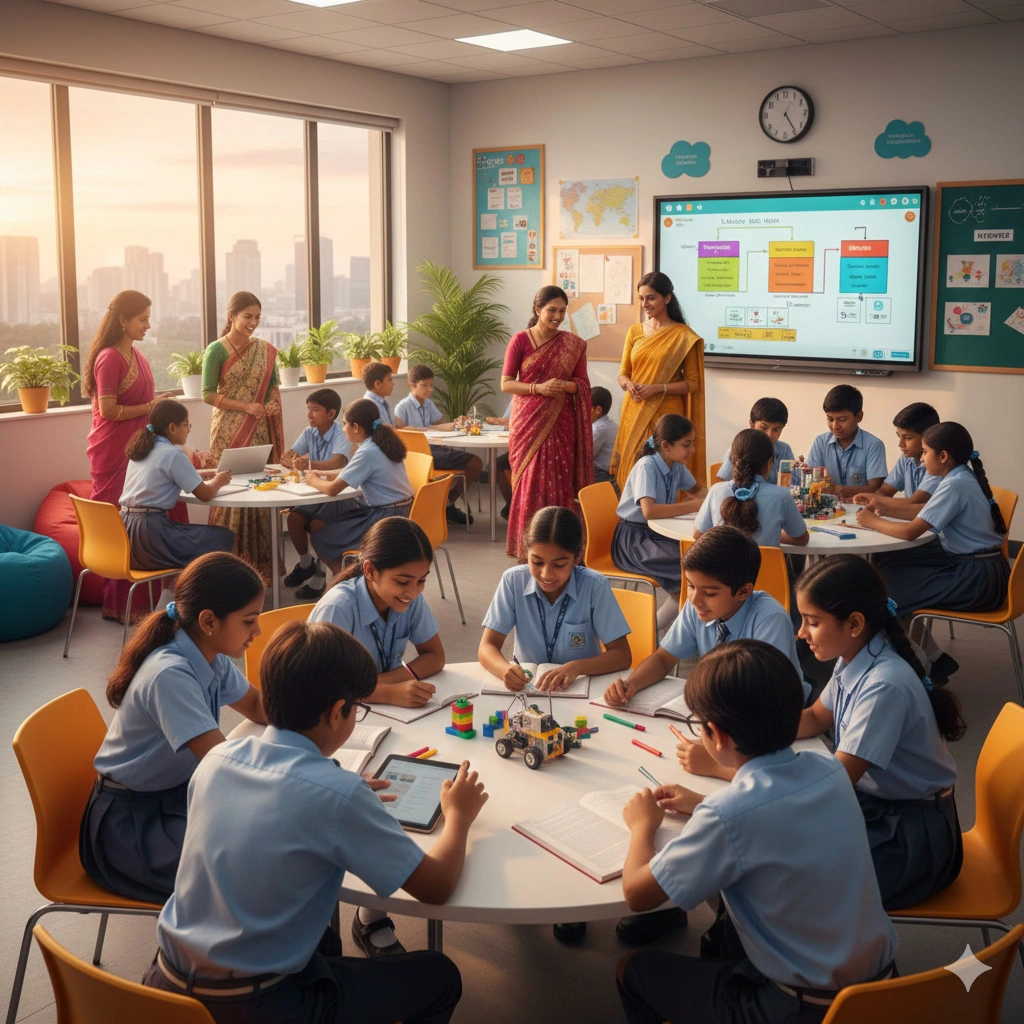
Schools that balance academics with holistic development create well-rounded individuals
In contrast, schools that integrate:
- Social-emotional learning (SEL)
- Extracurricular activities
- Mentoring from teachers
- Peer collaboration
- Leadership opportunities
...produce students who are confident, resilient, empathetic, and ready for real life.
⚠️ Red Flag: If a school only talks about exam results and college admissions—it's missing the bigger picture of personality development.
Key Takeaway: Schools Are Personality Factories

Well-developed personalities lead to confident, capable, ethical adults
Your child's personality isn't just shaped at home. The 13 years they spend in school are THE critical period for personality development, and teachers are the architects.
🎯 Choose schools that prioritize:
- Teacher-student relationships (not just class size)
- Diverse extracurricular options
- Emotional safety & inclusivity
- Leadership & responsibility opportunities
- Holistic development over test scores alone
A good school doesn't just prepare students for exams. It prepares them for life by building confident, capable, ethical human beings.