A strong parent–child emotional connection forms the foundation of a child’s confidence, behavior, relationships, and overall well-being. Children who feel emotionally secure at home are more resilient, confident, and better equipped to handle life’s challenges. The question is not whether parents love their children—it is how effectively that love is expressed, felt, and experienced in daily life.
Why Emotional Bonding with Your Child Matters
Emotional bonding shapes a child’s personality and worldview. It influences how they see themselves, how they interact with others, and how they respond to success and failure.
- Feel safe and secure in their environment
- Express their thoughts and emotions openly
- Develop deep empathy and vital social skills
- Build lasting self-confidence
- Handle stress and failure with better resilience
As Mahatma Gandhi beautifully said, "Where there is love there is life." When children grow in an environment filled with genuine emotional connection, they truly flourish. Key point to remember: A secure emotional bond at home becomes a child’s lifelong source of strength.
1. Spend Quality Time, Not Just Quantity
One of the most powerful positive parenting strategies to build emotional bonds is spending meaningful time together. In today’s busy schedules, parents may be physically present but emotionally unavailable.
Quality time means listening without distractions, engaging in real conversations, playing, reading, or simply being together. Even 20–30 minutes of undivided attention daily can make a significant difference. Children remember how you made them feel, not just how long you were around.
Parenting reminder: Being fully present—even for a short time—is more valuable than being half-present all day.
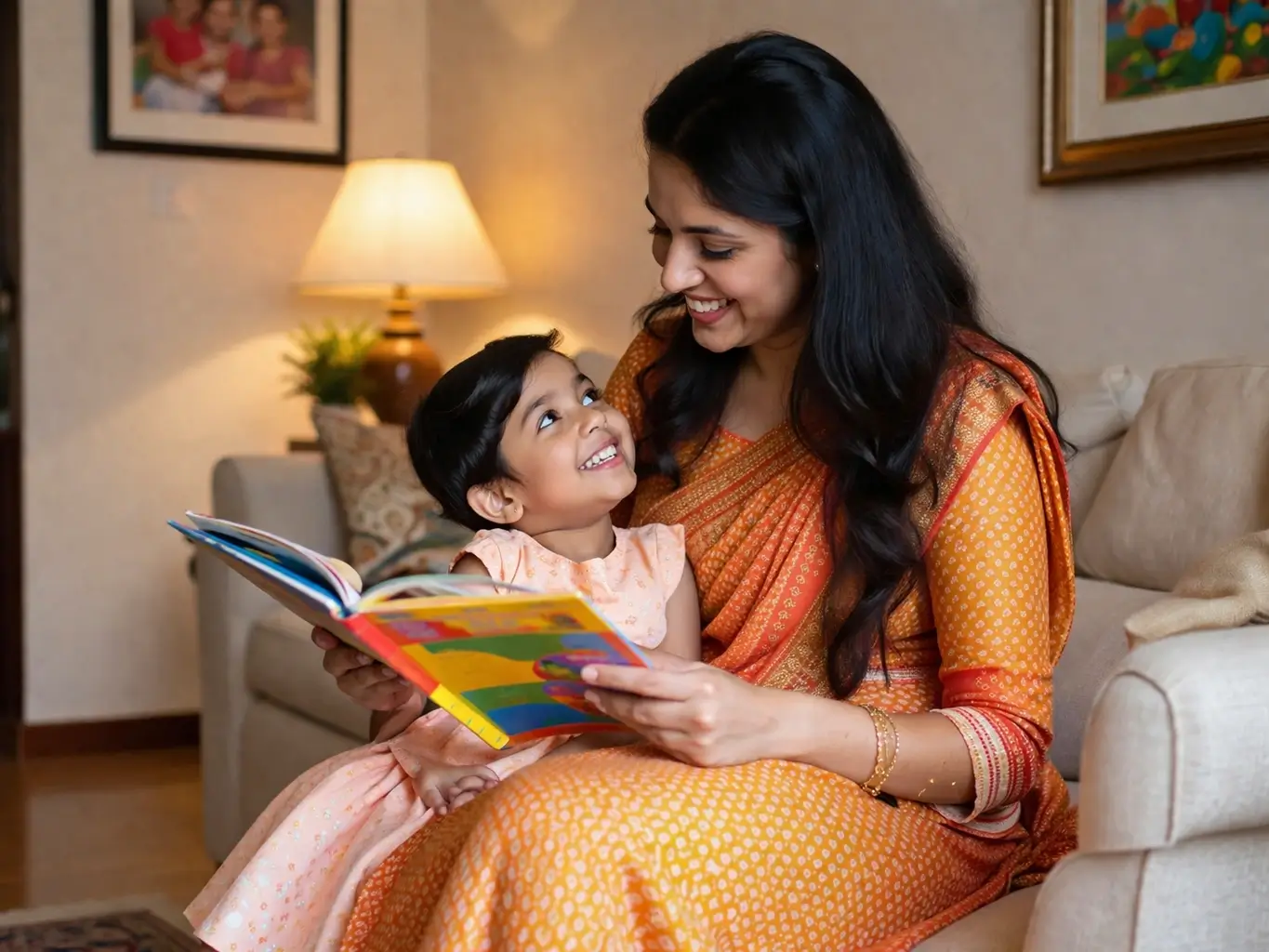
2. Practice Active Listening with Your Child
Children often want to share small things that may seem insignificant to adults, but these moments are opportunities to build trust and connection. When children feel heard, they feel valued. This encourages them to share more openly, even about serious issues later in life.
3. Express Love and Affection Regularly
Love should not be assumed—it should be expressed clearly and consistently. Simple gestures like a hug, a smile, or kind words can strengthen emotional bonds and create a sense of emotional safety.
Ways to Show Meaningful Affection
Saying “I love you” often. Appreciating their efforts, not just their results. Offering physical comfort when they are upset, and celebrating small achievements and milestones.
As Rabindranath Tagore once reflected, “Love is an endless mystery, for it has nothing else to explain it.” Emotional connection grows through consistent expressions of care and warmth.
4. Create a Safe and Non-Judgmental Environment
Children should feel safe expressing their feelings without fear of criticism or punishment. When parents react harshly or dismiss emotions, children may withdraw and stop sharing.
- Avoid immediate judgment or blaming when they make a mistake.
- Validate their feelings ("I understand you felt hurt when that happened...").
- Encourage honest conversations without fear of retaliation.
Instead of saying, “Why did you do this?” try asking, “Can you tell me what happened?” This shift in tone builds trust, openness, and deeper connection.
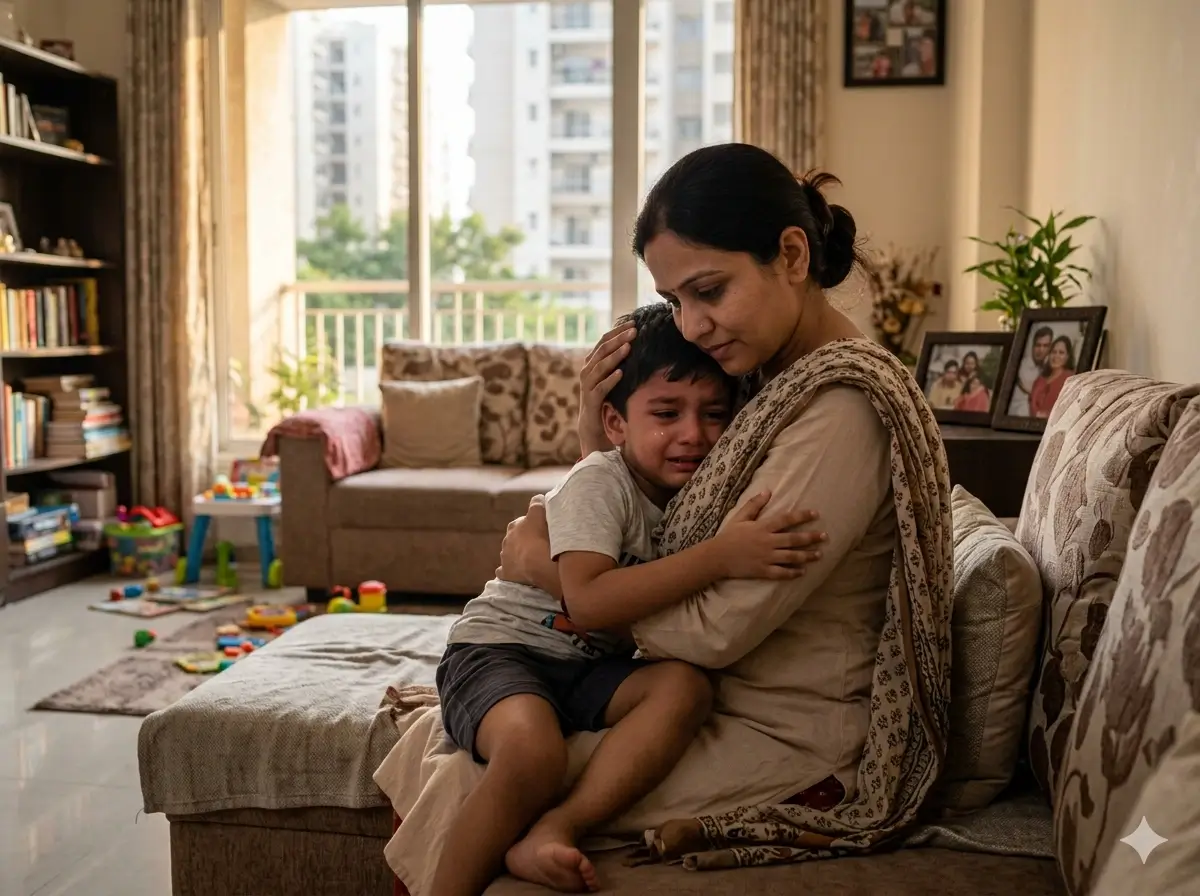
5. Be Emotionally Available, Not Just Physically Present
Being emotionally available means being present not just physically, but also mentally and emotionally. It requires sensitivity to a child’s needs, signals, and moods.
Notice Changes
Pay close attention to sudden shifts in your child's behavior, sleep, or eating habits.
Offer Comfort
Be their soft landing spot during tough times, school stress, or friend conflicts.
Share Properly
Share your own feelings appropriately and calmly to model healthy emotional expression.
6. Set Boundaries with Love and Respect
Discipline is essential, but it should not damage the emotional bond. Setting clear boundaries with empathy helps children understand expectations without feeling unloved or rejected.
The Pillars of Positive Discipline
7. Encourage Open Communication in the Family
Strong emotional bonds are built on open and honest communication. Encourage children to ask questions, share opinions, and express themselves freely.
Try asking open-ended questions like, “How did that make you feel?” instead of yes/no questions. Share stories from your own life and childhood, and stay approachable and calm. As Narendra Modi noted, “Communication leads to community, that is, to understanding, intimacy and mutual valuing.”

8. Respect Your Child’s Individuality
Every child is unique, with their own interests, strengths, and personality. Respecting their individuality helps them feel accepted and understood.
Parents can support this by encouraging their passions, strictly avoiding comparisons with siblings or other children, and allowing them to make age-appropriate choices. When children feel respected for who they are, they develop strong self-worth and emotional security.
9. Be the Role Model Your Child Observes
Children learn far more from what parents do than from what they say. Demonstrating kindness, patience, and respect in everyday situations teaches children how to behave and how to relate to others.
Model behaviors like handling conflicts calmly instead of shouting, showing empathy toward others (including your child), and managing your own stress in healthy ways. A strong bond is built through consistent actions that children witness daily.
10. Create Family Rituals and Traditions
Simple family rituals create lasting memories and strengthen emotional ties. These can be daily, weekly, or special-occasion activities that bring the family together.

Challenges in Building Emotional Bonds Today
Modern parenting comes with its own set of challenges that can unintentionally put a wall between parents and children. These include:
- Busy, overlapping work schedules for both parents
- Heavy digital and social media distractions
- Intense academic and extracurricular pressures
- Lack of extended family or immediate community support
However, building emotional bonds does not require perfection—it requires intention and consistency. Small, daily efforts in connection can overcome these modern hurdles.
Strong Emotional Bonds, Strong Children
Building a strong emotional bond with children is one of the most valuable investments parents can make. It shapes not only a child’s present happiness but also their future relationships, mental health, and success. Emotional bonding is not about grand gestures—it is about everyday moments of connection, understanding, and love. When children feel truly seen, heard, and valued, they grow into confident, compassionate, and emotionally secure individuals.
Explore More Parenting Resources →