Parenting is not just about providing education; it is about creating a home environment where learning becomes meaningful, consistent, and self-driven.
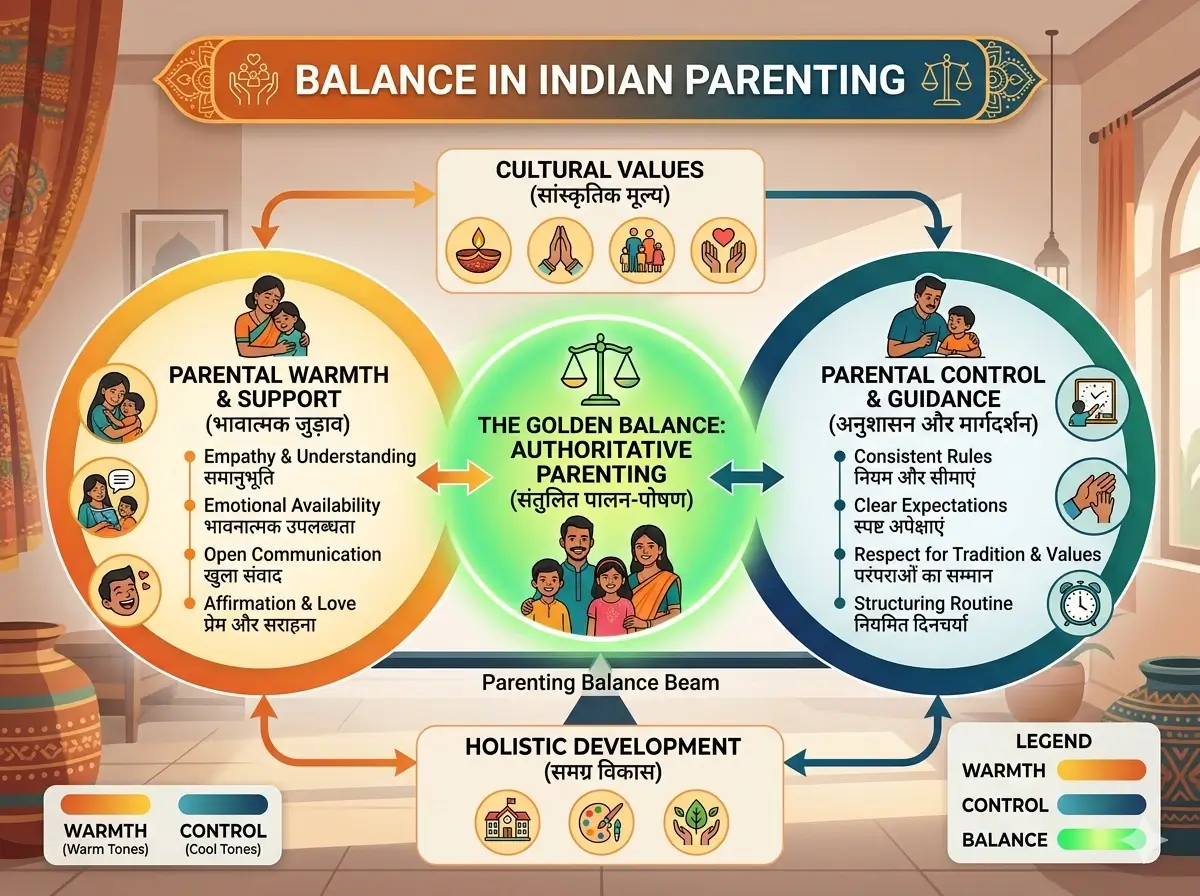
Understanding Different Parenting Styles and Academic Outcomes
Psychologists broadly classify parenting into four main styles that create very different learning environments. Each of these parenting styles influences academic success in unique ways and can either support or hinder a child’s growth:
Authoritative Parenting: The Foundation of Academic Success
Authoritative parenting is considered the most effective style when it comes to academic success and holistic development. It balances discipline with warmth, and expectations with understanding.
Characteristics & Outcomes
Parents set clear rules, explain the reasons behind them, and encourage independence. Children develop strong study habits, show curiosity, have high self-confidence, and handle academic challenges effectively.
This approach aligns beautifully with the philosophy of Rabindranath Tagore, who said, “Don’t limit a child to your own learning, for he was born in another time.” When parents allow children to explore, think independently, and make decisions, true learning and long-term academic success begin. According to research by the American Psychological Association (APA), children of authoritative parents are consistently more likely to demonstrate high academic competence and fewer behavioral problems.
Key point to remember: Authoritative parenting creates the ideal balance of structure and emotional support, helping children excel in both marks and mindset.
Authoritarian Parenting: Discipline Without Flexibility
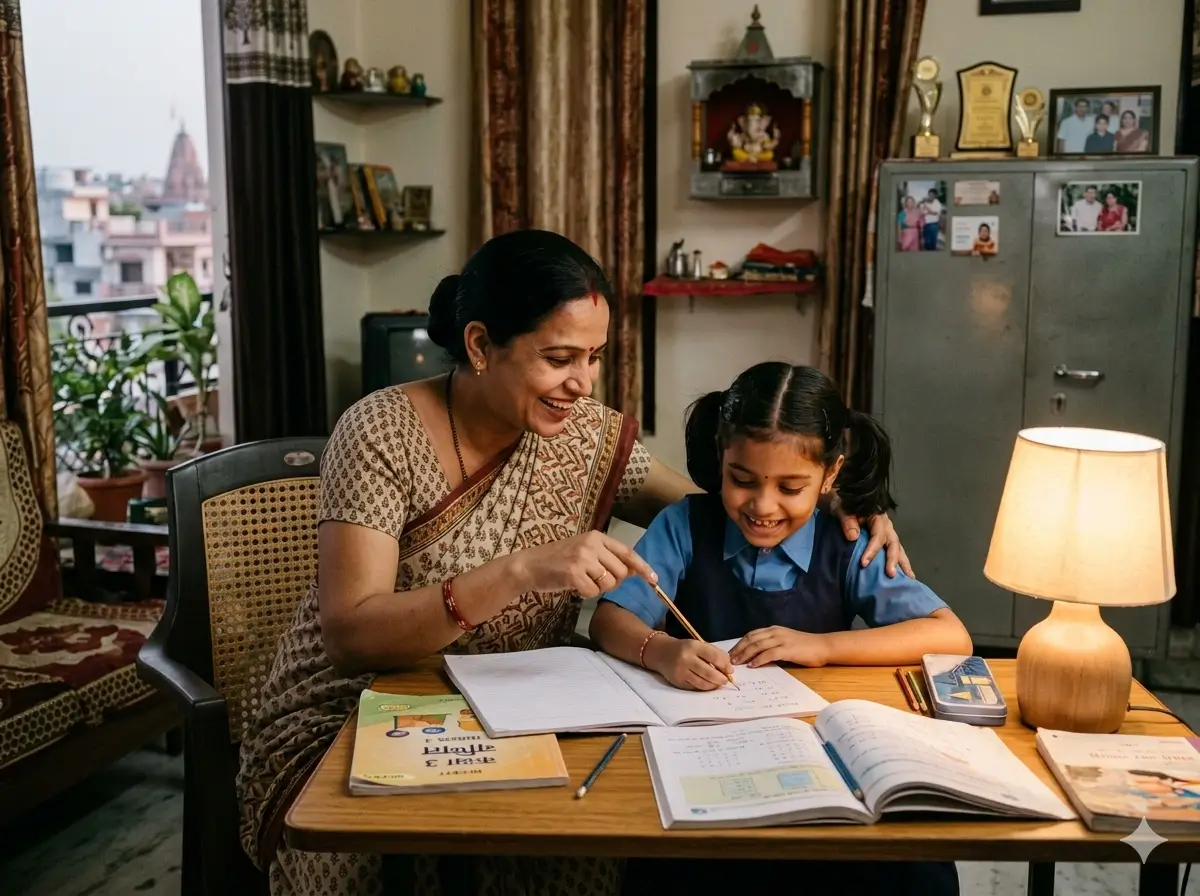
Authoritarian parents focus heavily on rules, obedience, and high expectations, often with limited emotional support or open communication. Short-term, such children may achieve good grades due to strict discipline. But over time, this style can lead to significant issues.
- Fear of failure and high stress/anxiety.
- Lack of creativity and critical thinking.
- Dependence on external validation.
Children in such environments often study to avoid punishment rather than to gain knowledge. This narrows their focus to marks instead of understanding and reduces the depth of learning.
Key point to remember: Authoritarian parenting may produce disciplined students, but it can weaken intrinsic motivation and emotional well-being, which are crucial for sustained academic success.
Permissive & Neglectful: Missing Boundaries and Support
Permissive Parenting: Freedom Without Direction
Permissive parents are loving and caring but provide minimal structure or discipline. They rarely enforce rules and often avoid setting boundaries. This can lead to poor time management, lack of focus on studies, difficulty handling academic responsibilities, and lower, inconsistent academic performance. Without clear guidance, children may struggle to build the consistency and self-discipline required for academic success.
Neglectful Parenting: The Absence of Support
Neglectful (uninvolved) parenting involves little to no involvement in a child’s life. Parents may be physically present but emotionally and academically disconnected. This style has the most negative impact on academic performance, leading to low motivation, poor academic outcomes, and behavioral issues.
Emotional Environment at Home and Academic Mindset
Beyond labels like authoritative or permissive, the emotional climate at home strongly influences academic success. A positive and supportive environment encourages children to explore, ask questions, and take academic risks. A study published by the National Institutes of Health (NIH) indicates that a supportive emotional climate at home can improve student engagement by up to 40%.
As Mahatma Gandhi said, “The future depends on what you do today.” Daily interactions—encouragement, appreciation, and understanding—shape a child’s long-term academic mindset.
Participation
Emotionally secure children participate more actively in class discussions without fear of being judged.
Curiosity
A calm home environment encourages children to ask questions and explore subjects deeply.
Resilience
When backed by parental warmth, students stay motivated even during tough academic challenges.
Expectations and Pressure: Inspiring vs Overwhelming
Parental expectations can either inspire academic excellence or create harmful pressure. A healthy expectation pattern includes focusing on effort rather than perfection, valuing improvement over comparison with others, and supporting individual strengths instead of forcing one path.
This perspective resonates with Narendra Modi’s emphasis that learning should be valued more than marks. When the focus shifts from scores to understanding, children develop a genuine interest in education and sustainable academic success.
Communication: The Hidden Engine of Academic Growth
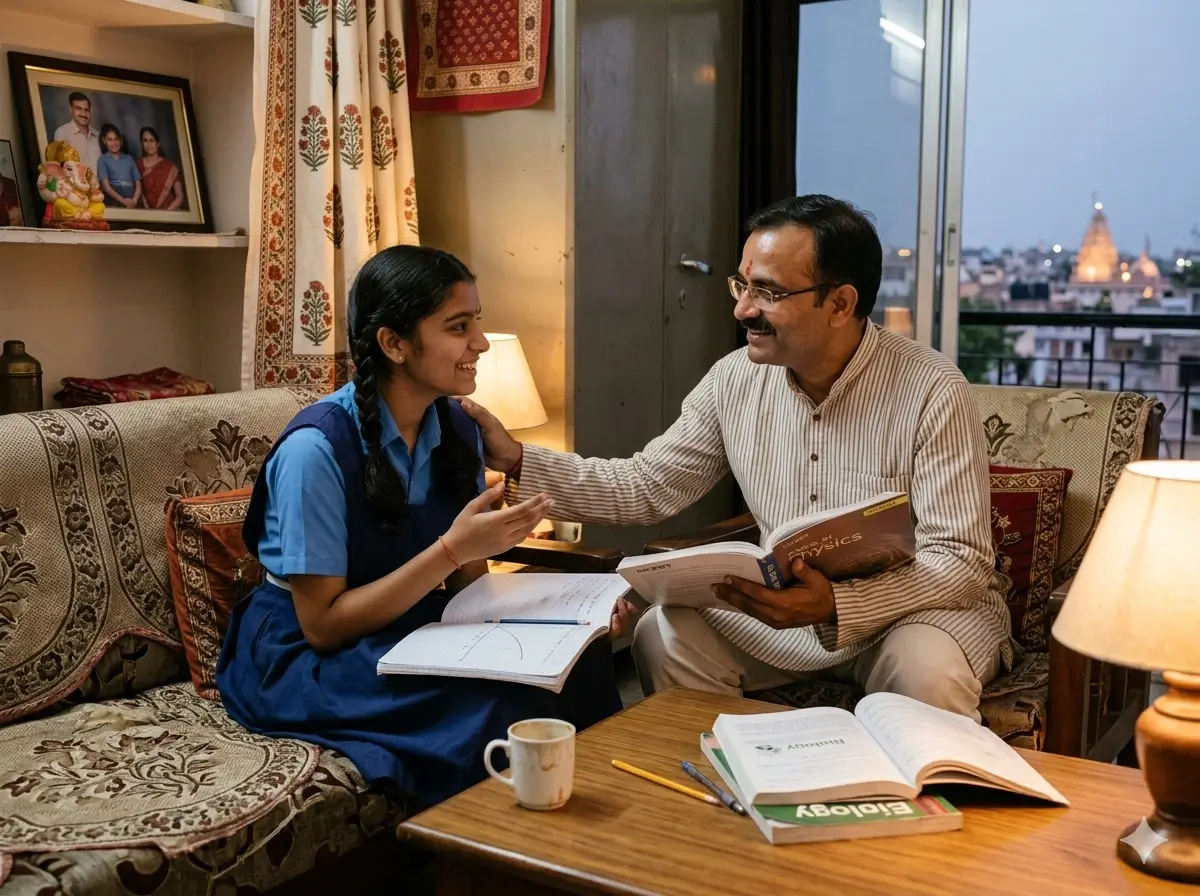
Open and honest communication is one of the strongest links between parenting style and academic achievement. Effective communication involves listening without judgment, encouraging children to share fears, doubts, and academic stress, and offering guidance instead of constant criticism.
When children feel safe discussing their academic struggles, parents can provide timely help—whether by clarifying concepts, adjusting schedules, or coordinating with teachers. Research by the OECD suggests that parental involvement—specifically showing interest and communicating about a child's school day—has a stronger impact on academic performance than the family's socioeconomic status.
Challenges in Modern Parenting and Independence
Today’s parents face several genuine challenges: busy work schedules, increased academic competition, digital distractions, and limited family time. Despite these pressures, even small, intentional efforts—like a nightly conversation or a weekly study check-in—can make a significant difference.
While support is essential, fostering independence is equally important. Parents can encourage this by:
- Allowing children to solve problems on their own before stepping in.
- Teaching time management and study planning early on.
- Encouraging accountability for homework, projects, and results.
Key Points to Remember
The Hidden Backbone of Academic Success
Parenting style plays a crucial role in shaping a child’s academic success. While schools provide knowledge, the foundation of learning is built at home. Among all styles, authoritative parenting offers the best balance of structure, guidance, and emotional warmth. Ultimately, academic success is not just about marks—it is about developing a love for learning, resilience, and confidence. When parents nurture these qualities, they empower their children to succeed not just in school, but throughout life.
Explore More Parenting Guides →