5 Simple Tips to Help Your Child Adjust to a New School | Expert Guidance

As an educational guidance expert, I've worked with hundreds of families navigating this milestone. Let me share five practical, evidence-backed strategies to ease your child's school transition anxiety and help them thrive.
Quick Overview
- Visit the school before the first day to reduce anxiety
- Validate your child's emotions and keep communication open
- Build partnerships with teachers for personalized support
- Maintain a light schedule during the adjustment period
- Provide consistent encouragement and celebrate small wins
1. Explore the School Together Before the First Day

Familiarize your child with the school environment before day one
Nothing reduces first-day jitters better than familiarity. Before your child steps foot in their new school, arrange a tour of the campus. Walk through the classroom, playground, washrooms, hallways, and bus stops together. Make it fun and relaxed—treat it like an adventure rather than a checklist.
Ask your child questions: "Where do you think we'll have lunch?" or "Show me where your classroom might be?" This simple practice gives them a mental map of the space. When they walk in on day one, they'll already know where everything is, which significantly reduces anxiety.
Pro Tip
Many schools offer orientation sessions or open days specifically for this purpose—take full advantage of them. Some schools even allow you to meet the class teacher beforehand.
2. Keep Communication Open and Validate Their Feelings

Create a safe space for your child to express their emotions
Your child's emotions matter. Starting at a new school brings a mix of feelings—excitement, nervousness, sadness about leaving old friends, and worry about fitting in. Encourage your child to talk openly about what they're feeling.
Instead of dismissing worries with phrases like "don't worry, you'll be fine," try saying, "I understand you're nervous. That's okay. Let's talk about what worries you." Listen without judgment. If they miss their old friends, help them stay connected through playdates before school begins and maintain those friendships afterward.
Watch For These Signs
If your child shows persistent anxiety symptoms (sleep problems, stomach aches, withdrawal) lasting beyond 2-3 weeks, consider consulting a child psychologist for professional support.
Normalize the adjustment process by sharing a time when you felt nervous about something new but got through it. This builds resilience and shows your child that transitions are a normal part of life.
3. Partner with Teachers to Support Your Child's Adjustment
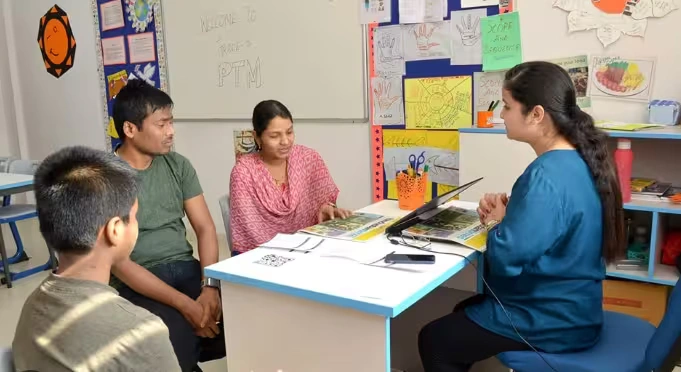
Build a strong home-school partnership
Teachers are your greatest allies. Reach out to your child's teachers before school starts (or during the first week) to introduce yourself and discuss your child's personality, strengths, and challenges. Do they prefer working alone or in groups? Are they shy or outgoing? What subjects interest them?
When teachers understand your child as an individual, they can provide targeted support during the transition. They're experts at helping kids adjust and often notice small changes you might miss at home.
Questions to Ask Teachers
- "What can I do at home to support my child's adjustment?"
- "How does my child interact with classmates?"
- "Are there any specific areas where my child needs extra support?"
- "What's the best way to communicate with you?"
This partnership between home and school creates a safety net that makes the transition smoother for everyone.
4. Keep Their Schedule Light in the First Few Weeks

Allow time for rest and adjustment
Less is more during the adjustment phase. It's tempting to enroll your child in every after-school activity, sports program, and club. Resist this urge. Your child is already managing a significant change—they need time to breathe, adjust to school routines, bond with classmates, and decompress.
In the first 2-4 weeks, keep their schedule light. Leave space for free play, family time, and rest. Once they've settled in and feel confident at school, gradually introduce one activity at a time.
Why This Matters
This prevents overwhelm and gives them emotional energy to navigate their new environment successfully. A balanced routine protects your child's mental health during this critical transition period.
5. Be Your Child's Biggest Cheerleader and Source of Strength
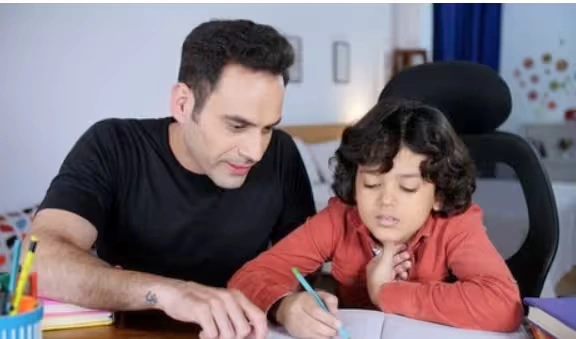
Your belief in your child shapes their confidence
Your belief in your child shapes their confidence. During big transitions, children look to their parents for reassurance. Your positive attitude, encouragement, and unwavering belief in their ability to adjust will directly impact how they handle the change.
Celebrate small wins: "You made a new friend today—that's amazing!" Spend quality time together doing things they enjoy—read together, play their favorite games, or just listen to their day. Remind them that every new experience is an opportunity to grow.
Ways to Show Support
- Create a special "school transition journal" to document their journey
- Establish a daily check-in routine after school
- Pack surprise encouraging notes in their lunchbox
- Plan a celebration after the first week
When they struggle (and they might), stay patient and encouraging. Your consistent support and positive reinforcement will help them build resilience and confidence.
The Bigger Picture: School Transition Is a Milestone, Not a Crisis
Adjusting to a new school is one of the important milestones in your child's development. Most children settle into a new school within 2-4 weeks, though some may take longer—and that's perfectly fine. Every child adjusts at their own pace.
By combining these five strategies—preparing your child by exploring the school, maintaining open communication, partnering with teachers, managing their schedule wisely, and providing consistent emotional support—you're creating the ideal conditions for a smooth transition.
Important Reminder
Your calm, positive approach is contagious. If you're anxious about your child's adjustment, they'll pick up on that energy. Take care of your own emotions, manage parental anxiety about school transitions, and approach this chapter with confidence and curiosity rather than worry.
Your child will not only adjust—they'll thrive.
About SabKiShiksha
SabKiShiksha provides expert guidance on education, parenting, teacher professional development, and school admissions. Our mission is to empower parents with practical, research-backed strategies to support their children's growth and success at every stage of their educational journey.
Need personalized guidance for your child's school transition? Connect with our educational experts through SabKiShiksha for tailored support.