Summer vacations are often seen as a time of rest and recreation, especially for primary graders (children roughly between ages 5 to 10). Yet this period is far more than just a break from school—it is a crucial phase for holistic development: cognitive, emotional, social, and physical.
When approached thoughtfully, summer vacation activities for primary school children can become a powerful extension of learning beyond the classroom and even help families avoid the "summer slide" in a gentle, child-friendly way.
1. Unstructured Time and Free Play
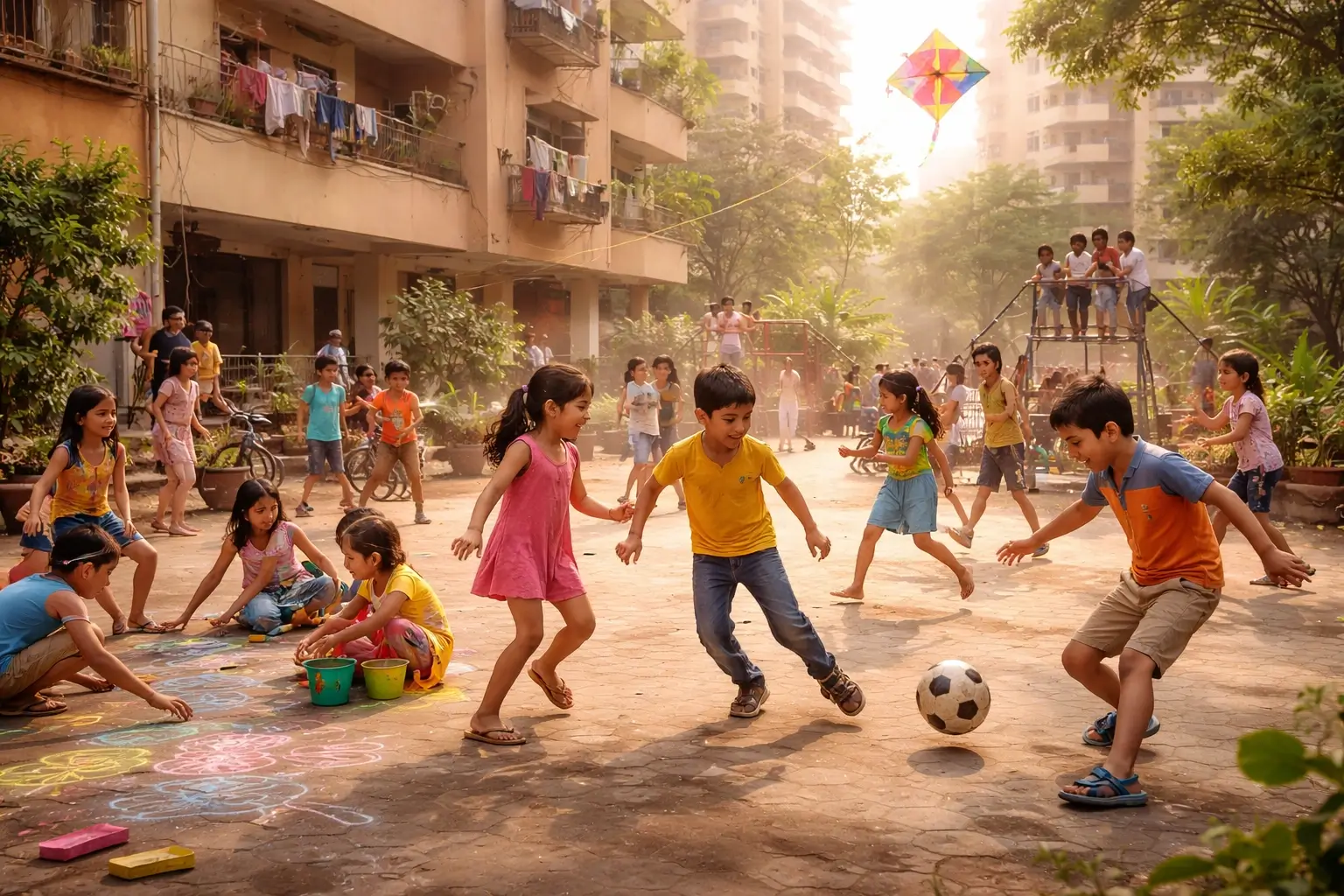
During the academic year, children’s lives are highly structured—fixed school hours, homework, extracurricular classes, and limited downtime. Summer vacations introduce something rare yet essential: unstructured time.
This freedom allows primary graders to follow their interests without rigid expectations. Whether it is building with blocks, drawing endlessly, or inventing imaginative games, such self-chosen activities foster creativity and independent thinking. When boredom is not immediately "fixed" by screens or adult intervention, it often leads to innovation and self-directed learning.
2. Strengthening Family Bonds
Extra family time in summer builds emotional security and lifelong memories. Summer vacations often mean more time with family members, which is invaluable for young children. Daily interactions with parents, grandparents, and siblings strengthen emotional security and social learning.
Families may travel together, share relaxed meals, visit relatives, or simply spend more time at home. Storytelling sessions with grandparents, for instance, not only entertain but also pass down cultural values and life lessons in a memorable way.
3. Travel as Experiential Learning
Travel turns summer holidays into hands-on learning about the world. It is one of the richest forms of experiential learning for primary graders. Visiting new places exposes children to different cultures, languages, foods, and environments.
- A visit to a historical site introduces basic ideas of history.
- A trip to the mountains sparks curiosity about geography.
- Museums and science centres offer interactive learning.
4. Life Skills Development
Summer vacations provide the perfect opportunity to focus on life skills that may be overlooked during the school year. Small responsibilities in summer build independence and confidence.
Organizing
Teaching kids to organize their toys, books, and play spaces independently.
Household Chores
Helping with simple chores like setting the table or watering plants.
Routine Management
Managing simple parts of their daily routine like brushing and hygiene.
5. Reading for Pleasure to Avoid the "Summer Slide"
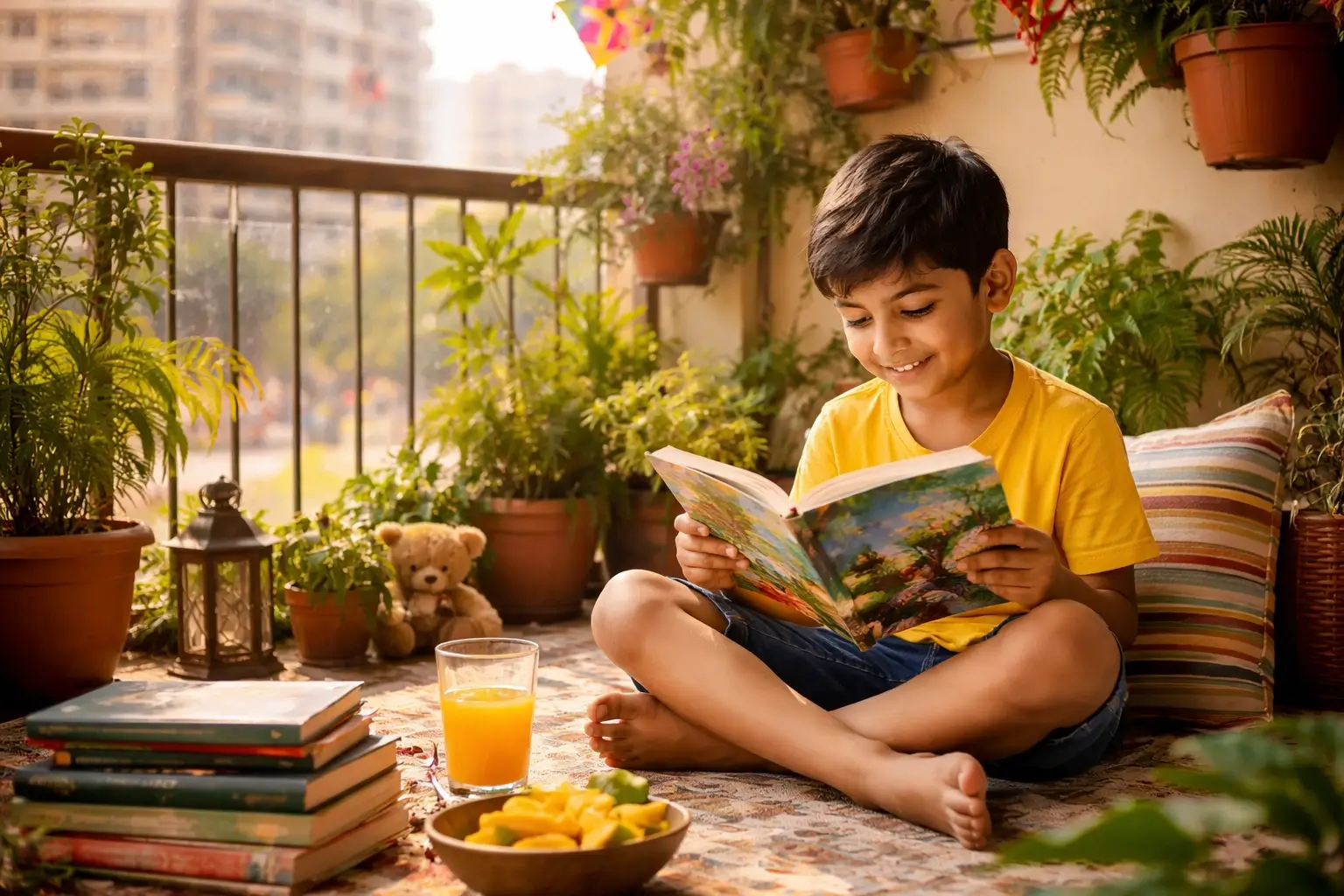
Summer reading for fun protects learning and boosts imagination. One of the most beneficial habits to nurture in summer is reading for pleasure. Unlike school-time reading, which is often curriculum-driven, summer reading can be entirely interest-based.
According to the NWEA, elementary students can lose 17-28% of their school-year progress in literacy during the break. Creating a cozy reading corner, visiting libraries, or setting fun reading goals makes reading an adventure rather than an obligation, preventing this "summer slide."
6. Creative and Artistic Exploration
Primary graders are naturally inclined toward creativity. Summer vacations let them dive deeper into artistic pursuits such as drawing, painting, DIY crafts, music, dance, and storytelling. These activities enhance fine motor skills, emotional expression, and problem-solving. They also offer a safe, healthy outlet for thoughts and feelings.
7. Physical Activity and Outdoor Play
In today’s digital age, ensuring regular physical activity is more important than ever. A UKActive Research Institute study demonstrates that children can lose around 80% of the fitness they gained during term time due to sedentary holidays.
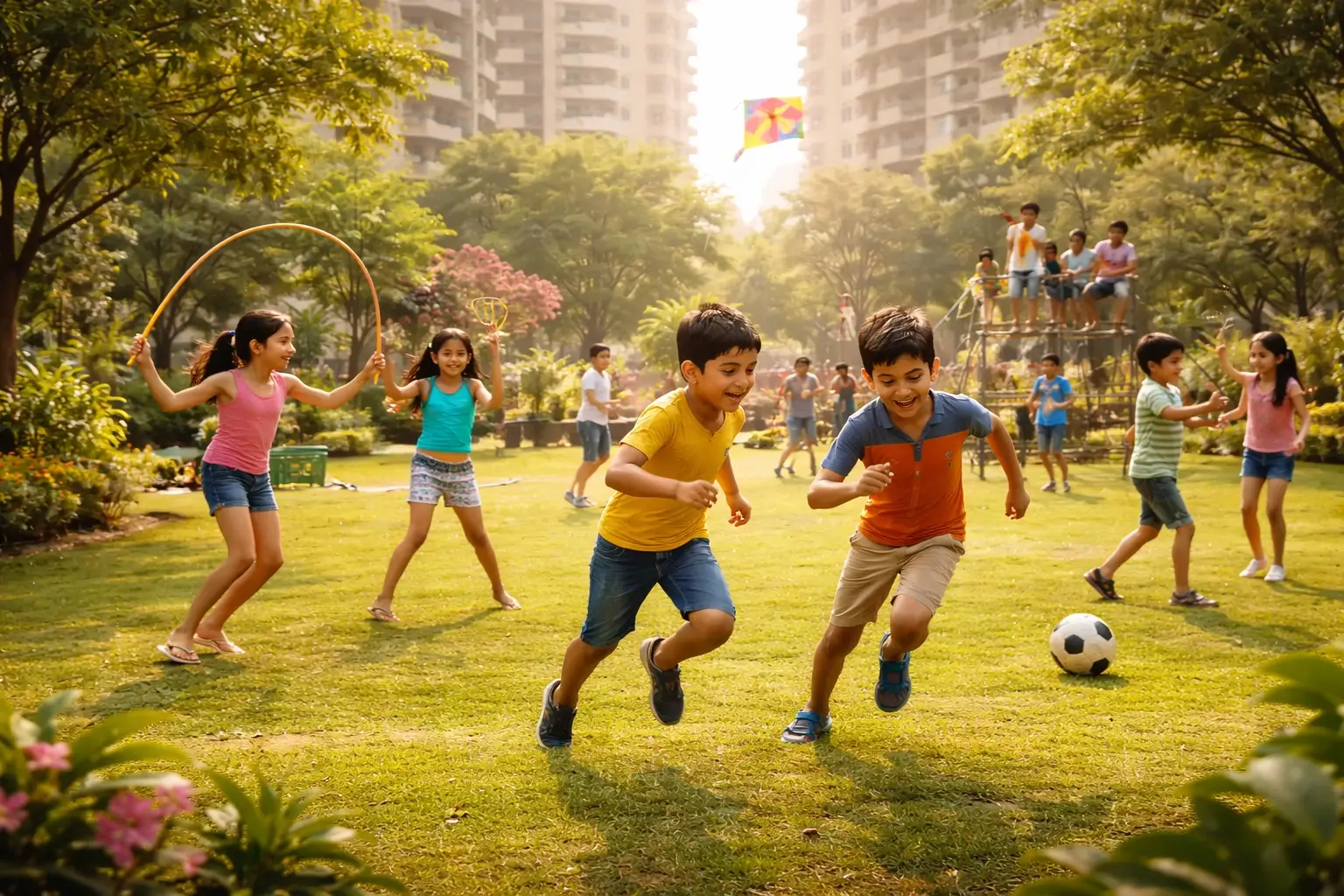
Activities such as cycling, swimming, running, or playing in the park improve coordination, strength, and stamina. Outdoor play also teaches teamwork, negotiation, and conflict resolution.
8. Social Development Through Peer Interaction
Free play with peers builds real-world social skills. Summer is a time when children can interact more freely with neighbors, cousins, or friends. Unlike structured school environments, these social experiences are more organic. Through play, children practice sharing, cooperation, leadership, and empathy.
9. Light but Meaningful Academic Engagement
Summer is not meant to replicate school, but a complete break from learning may not be ideal, especially since research indicates that up to 34% of math knowledge can be lost over the summer. Light, engaging academic activities help maintain continuity without stress. This might include:
- Fun worksheets or educational board games.
- Simple math practice in daily life (counting money, measuring ingredients).
- Writing short journals about daily experiences.
10. Digital Exposure: Balanced Screen Time
Screen time often increases during vacations. According to a 2024 Lingokids study, 68% of children use technology more during the summer break. While technology has benefits, parents must aim for a balanced approach: reasonable limits, clear screen-free zones (like the dinner table), and a focus on purposeful content instead of passive scrolling.
11. Emotional Well-Being and True Rest
Children, like adults, experience stress—from academic pressure to tightly packed routines. Summer vacations offer a chance to slow down, recharge, and simply “be.” Adequate sleep, relaxed schedules, and joyful activities support emotional well-being.
Making Summer Meaningful
Summer vacations for primary graders are far more than a break from school—they are a vital period for growth, exploration, and renewal. The goal is not to fill every moment with planned tasks but to create a balanced summer routine where they can explore, learn, rest, and play. Guided thoughtfully, these activities lay the foundation for lifelong learning, well-being, and happy memories.
Explore More Parenting Tips