Exam Stress in Children: Understanding It, Managing It, and Turning Pressure into Positive Performance
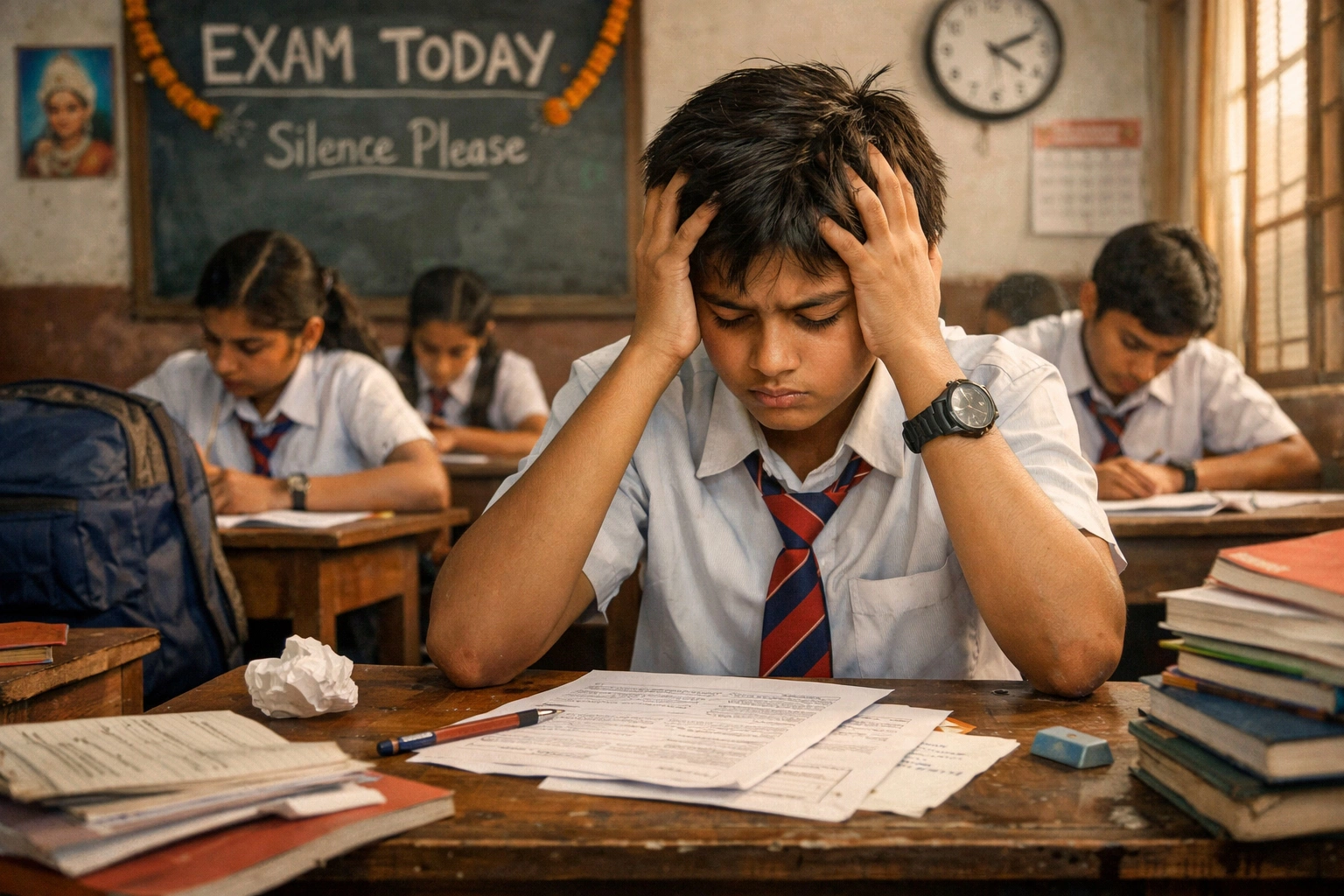
Examinations form a critical milestone in every child's academic journey, but for many Indian students, they've become synonymous with anxiety and sleepless nights. Recent data reveals an alarming reality: 86% of students experience some form of anxiety, with 81.6% specifically reporting examination-related anxiety. This surge in exam stress in children isn't merely academic pressure—it's a mental health crisis demanding immediate attention from parents, educators, and policymakers.
Understanding Exam Stress: More Than Just Nervousness
Exam stress in children manifests in multiple forms, often leaving parents confused about whether their child is simply anxious or genuinely struggling. The warning signs are diverse and interconnected:
Physical indicators include headaches, stomachaches, nausea, and persistent fatigue as exams approach. Children may display sleep disturbances—either oversleeping or wrestling with insomnia fueled by constant worry. Behavioral changes such as fidgeting, nail-biting, restlessness, and zoning out are red flags that shouldn't be dismissed as typical adolescent behavior.

Emotional manifestations are equally concerning: loss of self-confidence, irritability, withdrawal from friends and family, and a pervasive sense of feeling overwhelmed despite hours of study. According to research from India's leading medical journals, 69.9% of students experience moderate to high anxiety levels, while 59.9% report depression symptoms that directly interfere with academic performance.
Academically, stressed children often spend long hours studying yet feel they're retaining nothing—a vicious cycle that intensifies their anxiety and erodes self-belief.
The Root Causes: Internal and External Pressures
Child exam anxiety stems from a dangerous combination of internal self-imposed expectations and external societal pressures. Internally, children grapple with fear of failure, unrealistic self-imposed goals, and perfectionism that transforms minor mistakes into perceived catastrophes. Externally, they face:
- Rigid curricula and heavy syllabi with insufficient preparation time
- Competitive peer environments fostering comparison and inadequacy
- Parental pressure and unrealistic expectations
- Private tutoring culture (students with four or more tutors show significantly higher stress levels)
- Societal narratives that reduce a child's worth to their marks
India's high-stakes examination system—board exams, competitive entrance tests, and school assessments—creates an inherently stressful environment where students internalize the message that their academic performance defines their future and personal value.
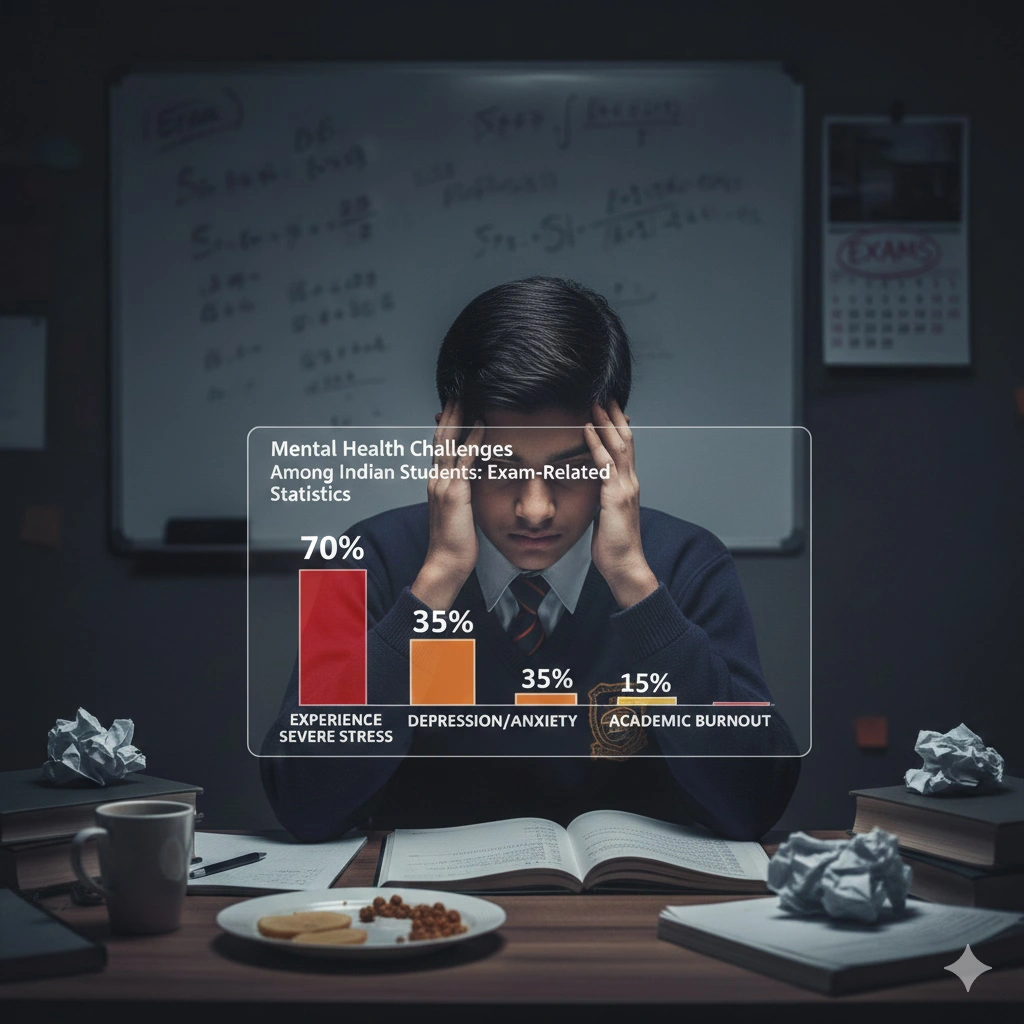
Prime Minister Narendra Modi's repeated message through Mann Ki Baat and Pariksha Pe Charcha is critical: "Exams are not life-defining moments, and stress should never overpower self-belief." The National Education Policy 2020 echoes this wisdom, emphasizing holistic development over rote learning, recognizing that excessive academic pressure stifles creativity, curiosity, and emotional health.
Practical Strategies for Managing Exam Stress
Parents and children must work together to build resilience through healthy routines and evidence-based coping mechanisms.
Establish consistent daily rhythms: Regular meal times, fixed sleep schedules (minimum 7-8 hours nightly), and dedicated study hours regulate the body's stress-response system. Late-night studying is counterproductive—it reduces memory retention and increases irritability. Short 20-30 minute daytime power naps can refresh mental clarity without disrupting nighttime sleep.
Optimize nutrition for brain function: A balanced diet rich in fruits, vegetables, whole grains, omega-3 fatty acids, and adequate hydration supports cognitive performance. Avoid heavy, oily, or junk food that induces sluggishness and brain fog.
Reduce digital distractions: Social media consumption during exam preparation fuels comparison anxiety and kills focus. Parents should encourage screen-free study zones and set reasonable digital boundaries.

Build physical activity into daily routines: Exercise, yoga, meditation, or even 15-minute walks trigger the release of stress-reducing neurotransmitters. Creative hobbies—music, art, dance, storytelling—provide healthy emotional outlets and restore mental balance.
Structure study sessions intelligently: Rather than panic-driven cramming, teach children to:
- Categorize topics into easy and difficult sections, starting with easier concepts to build confidence
- Break the syllabus into manageable daily targets
- Take strategic 5-minute breaks every 25 minutes to maintain focus
- Seek teacher or peer clarification immediately rather than allowing doubts to accumulate
Create a distraction-free study environment: A quiet, clutter-free space with a dedicated study table, proper lighting, and necessary materials minimizes stress-inducing environment distractions.
The 24 Hours Before and During the Exam
Pre-exam preparation matters as much as study itself. Parents should help children arrange school bags, stationery, roll numbers, and ID cards a day in advance to eliminate last-minute anxiety. On exam day, a nutritious breakfast provides sustained energy and emotional stability.

The morning of the exam, parents should convey unconditional support and trust—not through pressure ("You must score 95%") but through reassurance ("I believe in your effort, not just your result"). If nervousness peaks, teach children simple deep breathing exercises (4-7-8 breathing: inhale for 4 counts, hold for 7, exhale for 8) and positive self-talk—"I am prepared," "I will do my best," "Mistakes are learning opportunities."
During the exam itself: Reading questions carefully, starting with familiar topics to build confidence, managing time wisely, and reviewing answers before submission transform anxiety into actionable performance strategies.
The Critical Role of Parents
Parents are architects of a child's psychological resilience. When children feel unconditionally loved and accepted—regardless of marks—they develop the emotional safety needed to face challenges without fear. The NEP 2020's emphasis on home-school collaboration recognizes parents as education partners, not just observers.
The paradigm shift is essential: Instead of "What marks did you get?", ask "What did you learn?" Instead of punishment for lower grades, explore "What support do you need?" This reframing reduces anxiety by 30-40% and increases intrinsic motivation.
Conclusion: From Stress to Strength
Exam stress in children is manageable—even transformable—with the right ecosystem of support. By nurturing healthy routines, prioritizing mental health alongside academic performance, and reinforcing unconditional self-worth, children can walk into examination halls with confidence rather than fear.
The most powerful message any child needs: "You are valued far beyond your marks. Do your best, learn from the outcome, and remember—your worth is inherent, not earned."