A school can never rise above its teachers.
History repeatedly shows that great educational institutions are built on the strength of great educators. A teacher has the power to inspire curiosity, build confidence, nurture talent, and transform lives. While technology, infrastructure, and resources can support learning, they cannot replace the influence of a skilled and dedicated teacher.
Teachers Shape the Heart of Education
In today’s rapidly changing world, the role of teachers is more important than ever. Teaching is no longer limited to delivering lessons from a textbook. Modern educators are expected to be mentors, guides, counsellors, motivators, and facilitators of learning.
They are responsible not only for academic achievement but also for helping students develop critical thinking, creativity, communication skills, emotional intelligence, and values.
The expectations from teachers have increased significantly over the past decade. Children today are growing up in a world dominated by smartphones, social media, artificial intelligence, and instant access to information. Their learning styles, interests, and challenges are vastly different from those of previous generations.
As a result, teachers can no longer rely solely on traditional teaching methods. They must continuously adapt to changing educational needs and classroom realities. This is precisely why teacher development and regular professional training have become essential rather than optional.
Why Teacher Learning Must Continue
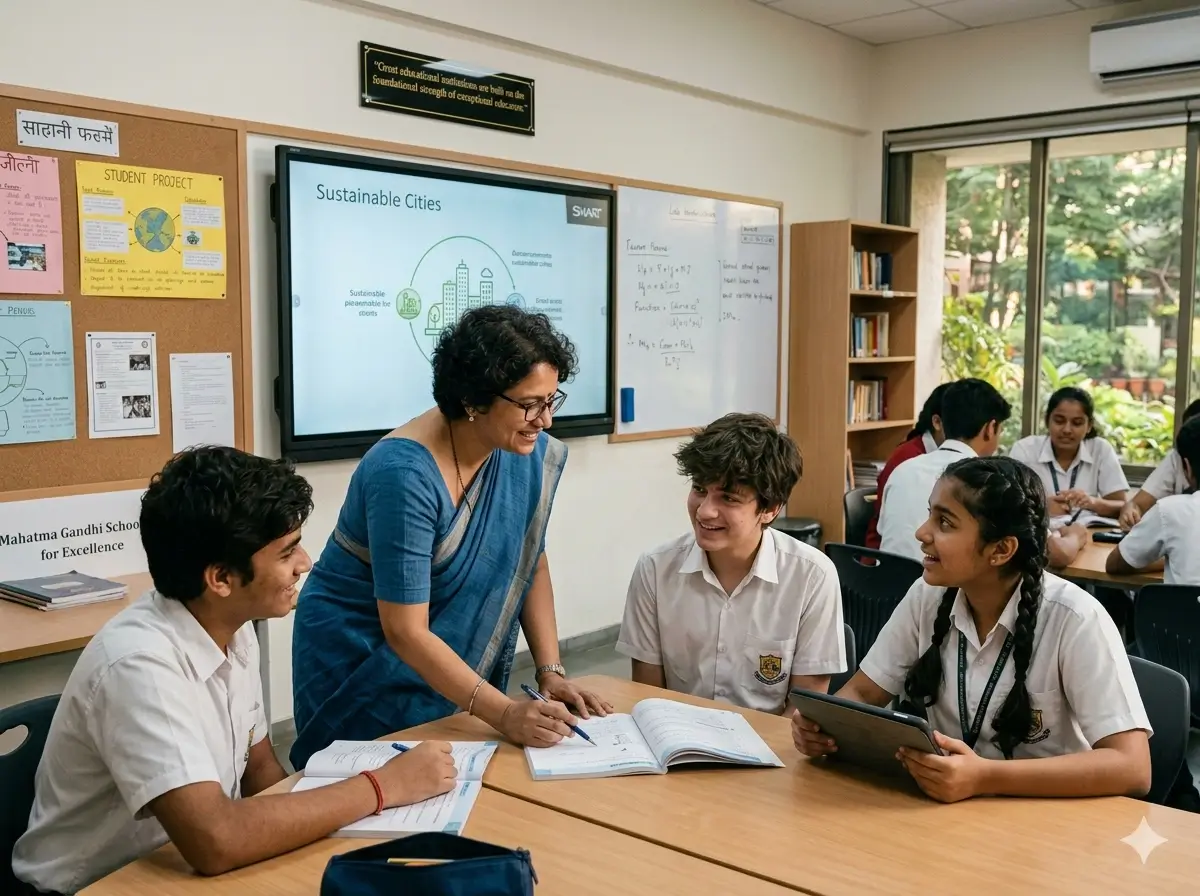
One of the biggest misconceptions in education is the belief that once a teacher earns a degree or teaching qualification, learning ends. In reality, teaching is one of the few professions where learning must continue throughout one’s career.
Doctors attend medical conferences to stay updated with advances in healthcare. Engineers learn about emerging technologies. Lawyers keep track of changing laws and regulations. Similarly, teachers need continuous opportunities to upgrade their knowledge, teaching strategies, and understanding of child development.
Unfortunately, teacher training often receives less attention than infrastructure development. Schools may invest heavily in new buildings or digital equipment while overlooking the professional growth of the very individuals who shape students’ learning experiences.
Child Psychology and Classroom Reality
One area where continuous teacher development is especially important is child psychology. Every classroom consists of students with different personalities, abilities, learning styles, and emotional needs. Some children learn quickly, while others require additional support. Some are confident and outspoken, while others struggle with anxiety or low self-esteem.
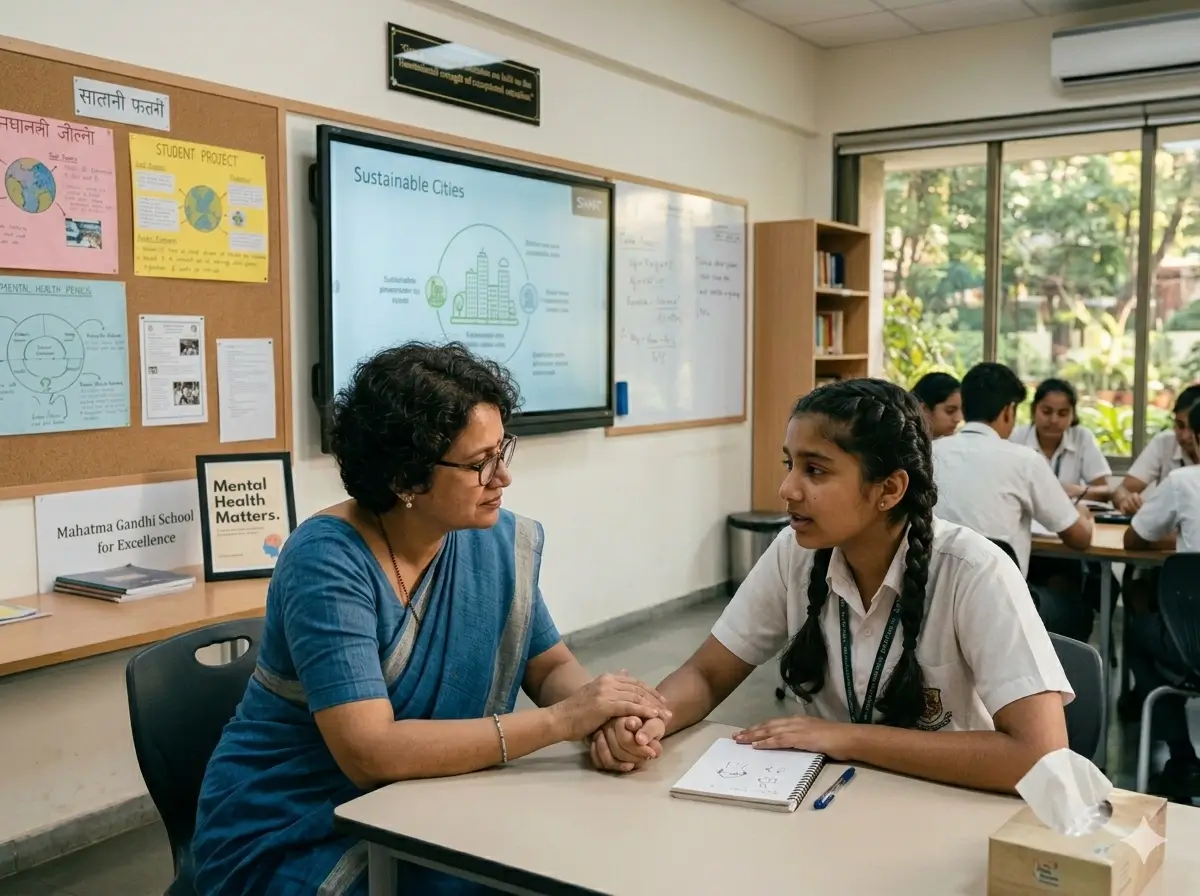
Teachers are often the first adults outside the family to notice changes in a child’s behaviour. A student who suddenly becomes withdrawn, distracted, or disruptive may be facing emotional or psychological challenges. Proper training helps teachers identify these issues early and respond with sensitivity and understanding.
Mental health concerns among children and adolescents are increasing worldwide, including in India. Academic pressure, social media influence, family expectations, peer relationships, and concerns about the future can all affect a child’s well-being. Teachers who are trained to recognize warning signs can play a crucial role in supporting students and guiding families toward appropriate help when needed.
Teacher Quality Improves Results
Teacher quality also directly influences academic outcomes. Research consistently shows that effective teaching is one of the strongest school-based factors affecting student achievement. A motivated and well-prepared teacher can make difficult concepts easier to understand, create engaging learning experiences, and encourage students to develop a genuine love for learning.
On the other hand, even the most advanced educational resources cannot compensate for ineffective teaching. Students may have access to modern facilities, but without inspiring educators, their learning experience remains incomplete.
Why NEP 2020 Increases the Need
The implementation of India’s National Education Policy (NEP) 2020 has further highlighted the importance of teacher development. The policy emphasizes experiential learning, critical thinking, competency-based education, foundational literacy and numeracy, and holistic development.
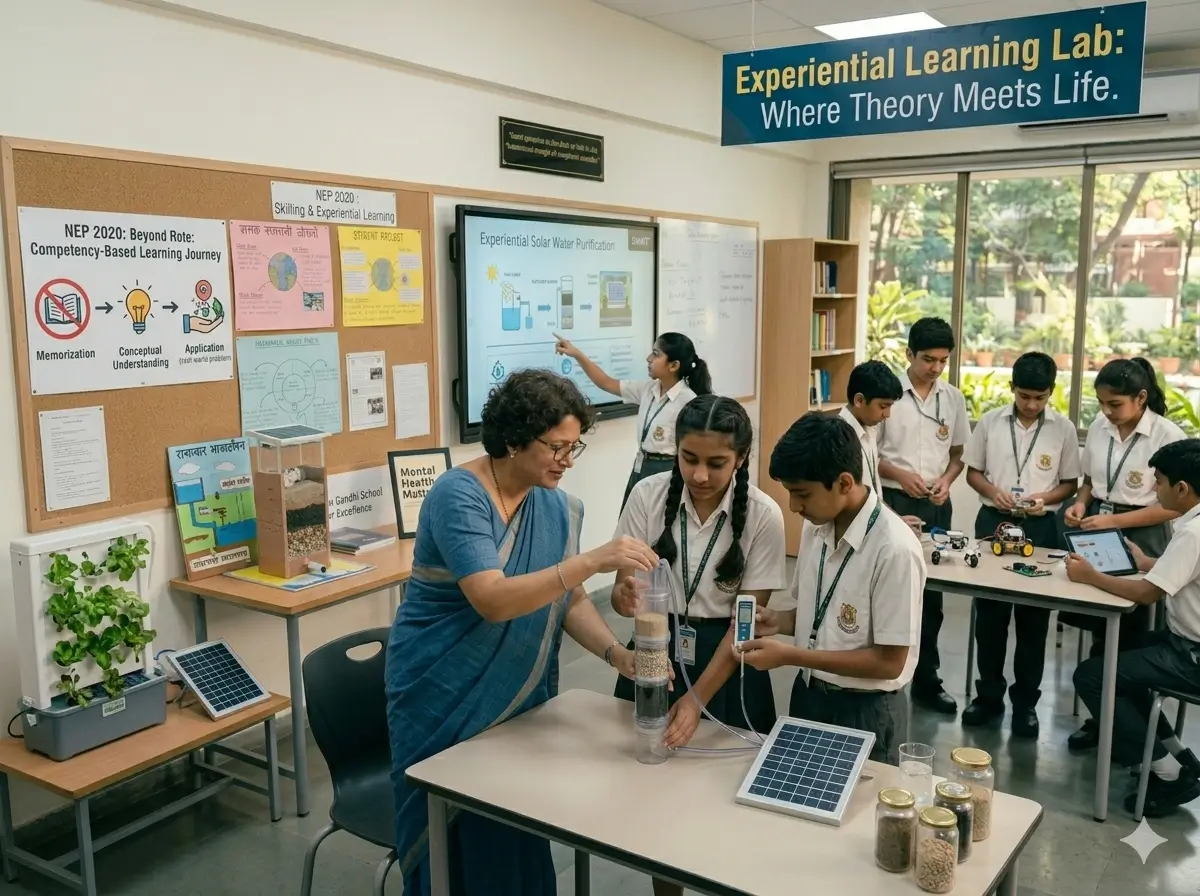
These reforms require a significant shift in classroom practices. Teachers must move beyond rote memorization and adopt innovative teaching methods that encourage exploration, creativity, and problem-solving. Without adequate training and support, even well-designed educational reforms may struggle to achieve their intended outcomes.
Technology Demands New Skills
Technology presents another compelling reason for continuous teacher learning. The COVID-19 pandemic demonstrated how quickly education can change. Teachers across the country had to adapt to online teaching, digital assessments, and virtual classrooms almost overnight.
Today, educational technology continues to evolve rapidly. Artificial intelligence tools, interactive learning platforms, digital resources, and educational applications are becoming increasingly common. Teachers need training not only to use these tools effectively but also to understand their limitations and ensure that technology enhances rather than replaces meaningful learning.
Teacher Development Supports Teachers Too
Importantly, teacher development benefits educators themselves. Teaching can be a demanding profession. Long hours, administrative responsibilities, classroom management challenges, and growing expectations can sometimes lead to stress and professional fatigue.
Regular workshops and training programs provide opportunities for teachers to learn new skills, exchange ideas with colleagues, and reflect on their practices. Such experiences often increase confidence, motivation, and job satisfaction. When teachers feel valued and supported, they are more likely to remain enthusiastic and committed to their profession.
Strong Schools Begin with Strong Teachers
Schools that invest in teacher growth often experience positive outcomes beyond academics. Strong teachers contribute to a positive school culture, improved student behaviour, better parent-school relationships, and higher levels of trust within the community.
Parents naturally want the best for their children. While modern facilities may create a positive first impression, what truly matters is the quality of teaching that takes place inside the classroom every day. A caring teacher who believes in a child’s potential can leave a lifelong impact that no building or technology can match.
Some of the most successful schools around the world share a common characteristic: they prioritize teacher development. They understand that educational excellence begins with empowering educators. These institutions view teacher training not as an expense but as an investment that yields long-term benefits for students, families, and society.
Empowering the Heart of Education
As India aspires to build a future-ready education system, greater attention must be given to supporting teachers. Policymakers, school leaders, and parents must recognize that educational improvement starts with strengthening the people who stand at the heart of every classroom.